How Synthesis and Synthesizers Work 🎛️

Sound Is Just Shaped Electricity
“Everything should be made as simple as possible, but not simpler.”
— Albert Einstein
Synthesis can look complicated.
Oscillators.
Filters.
Modulators.
Algorithms.
But underneath it all, a synthesizer does one thing:
It shapes raw energy into musical tone.
That’s it.
Every synth — from a Minimoog to a DX7 — is just a different way of shaping electricity.
Quick Summary
👉 Synthesis is the process of generating sound electronically and shaping it using oscillators, filters, and modulation. The three major types are subtractive, FM, and wavetable synthesis — each with a distinct philosophy and sound.
🪵 Subtractive Synthesis — Carving a Statue
Imagine starting with a block of marble.
It’s full. Dense. Complete.
Subtractive synthesis works the same way.
You begin with a harmonically rich waveform — like a sawtooth or square wave — and then remove frequencies using filters.
You carve away what you don’t need.
The Core Elements
-
Oscillator → the raw block of sound
-
Filter → the chisel
-
Envelope → shapes how the sound evolves over time
-
LFO → adds movement
Synths That Defined Subtractive Synthesis
🎹 Minimoog
Warm, powerful, iconic bass and leads.
Simple architecture. Immediate sound.
Synth Legends: The Moog Minimoog 🎛️
🎹 Juno
Lush pads. Chorus. Clean subtractive structure.
Synth Legends: The Roland Juno-106 🌈
🎹 Prophet-5
Polyphonic analog. Big, musical, expressive.
These synths proved that subtracting frequencies could create warmth, punch, and timeless tone.
Synth Legends: The Sequential Prophet-5 🔮
⚡ FM Synthesis — Sound as Interaction
Now imagine two tuning forks.
Strike one, and it vibrates.
Bring another close, and it begins to influence the first.
FM synthesis works like that.
Instead of filtering sound away, you use one oscillator to modulate another.
Frequency Modulation.
The result isn’t carving.
It’s interaction.
Why FM Sounds Different
-
Brighter
-
More metallic
-
Bell-like
-
Complex
-
Expressive
FM doesn’t remove harmonics.
It creates new ones.
The Legend of FM
🎹 DX7
The DX7 didn’t sound like analog synths.
It was sharper.
Digital.
Clean.
Pianos. Electric pianos. Bells.
1980s pop lives inside it.
FM synthesis expanded what synths could be — not warm and subtractive, but bright and architectural.
Synth Legends: The Yamaha DX7 💠
 ⭐️ Download my Free Music Production Guides or take my free Ableton Live Course ⭐️
🌊 Wavetable Synthesis — Sound That Moves
Imagine flipping through a book.
Each page is a slightly different drawing.
Wavetable synthesis works like that.
Instead of using one static waveform, you scan through a series of waveforms over time.
The sound morphs.
It evolves.
It shifts while you hold a single note.
The Legacy of Wavetable
🎹 PPG Wave
One of the first major wavetable synths. Digital oscillators with analog filters.
Synth Legends: The PPG Wave 2 🌊
🎹 Waldorf Microwave
Carried the PPG idea forward. Aggressive. Evolving. Alive.
Wavetable synthesis introduced movement as a core feature — not as an effect, but as the foundation.
🧠 The Three Philosophies of Synthesis
| Type | Analogy | Core Idea |
|---|---|---|
| Subtractive | Sculpting stone | Remove harmonics |
| FM | Tuning forks interacting | Add harmonics through modulation |
| Wavetable | Flipping through images | Morph between waveforms |
Different methods.
Same goal.
Shaping energy into emotion.
🎛️ Oscillators, Filters, and Time
No matter the synthesis type, three elements always matter:
-
Oscillator → Where the sound begins
-
Tone shaping → Filter or modulation
-
Time shaping → Envelopes
Sound is energy.
Music is energy shaped over time.
Why This Matters
When you understand how synthesis works, presets stop being magic.
You start hearing:
-
where harmonics live
-
how movement is created
-
why one synth feels warm and another metallic
-
how to build your own sounds
You stop scrolling.
You start designing.
Synth Legends: Roland TB-303 🎹
🔑 Final Thought
Synthesis isn’t about circuits.
It’s about intention.
Every synthesizer is just a different way of sculpting motion.
Subtractive removes.
FM interacts.
Wavetable evolves.
And when you understand the method,
you control the sound.
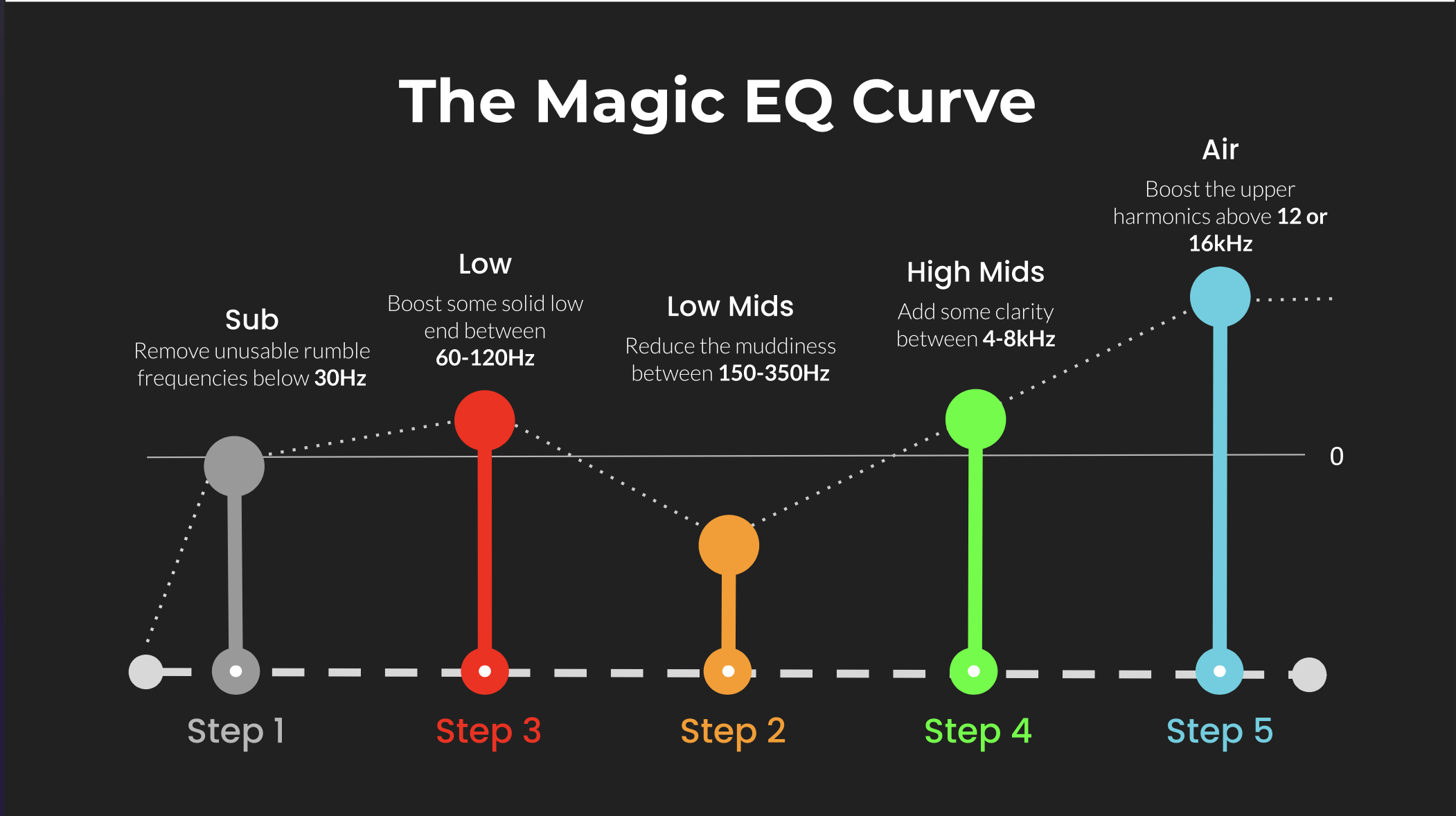 ⭐️ Download my Free Magic EQ settings Guide ⭐️

⭐️ Download my Free Magic Reverb settings Guide ⭐️
#protools #daw #homestudio #recordingschool #recording #musicproduction
Also read:
How to Start Your Own Online Business Teaching Music

Hey, I'm Futch - Music Production Coach and Ableton Certified Trainer

Learn how to make your first song and beat in Ableton Live with my
FREE 90-minute Ableton Live course
I've been teaching audio engineering and music production for 35 years.⭐️
Check out my new online music production program: Music Production Ninja...