Synth Legends: Roland TB-303 🎹

The Mistake That Changed Everything
The TB-303 was never meant to be legendary.
It was designed to do one thing:
replace a bass player.
It failed completely.
And in that failure, it accidentally created an entire genre.
Quick Summary
👉 The Roland TB-303 is a monophonic analog bass synthesizer whose squelchy filter, slide, and accent controls defined acid house and reshaped electronic music forever.
Context — What the TB-303 Was Supposed to Be
In the early 1980s, Roland imagined the TB-303 as:
-
a practice tool for guitarists
-
a simple bass accompaniment machine
-
a realistic bass replacement
On paper, that sounds reasonable.
In practice?
It sounded nothing like a real bass.
Too thin.
Too synthetic.
Too weird.
So it flopped.
Synth Legends: The Sequential Prophet-5 🔮
The Sound — Sharp, Wet, Unapologetic
The TB-303 doesn’t sound natural.
It sounds chemical.
-
nasal saw and square waves
-
a resonant filter that screams when pushed
-
envelope-driven movement
-
constant motion
It doesn’t sit politely in a mix.
It cuts through it.
Slide and Accent — The Secret Sauce
Two features turned the TB-303 from useless to unstoppable.
Slide
-
notes glide into each other
-
pitch bends feel liquid
-
phrases feel continuous
Accent
-
certain steps hit harder
-
filter opens
-
amplitude jumps
-
rhythm comes alive
Together, these create the signature acid squelch.
Without them, the TB-303 is just another monosynth.
With them, it becomes a weapon.
 ⭐️ Download my Free Music Production Guides or take my free Ableton Live Course ⭐️
The Sequencer — Frustrating, Then Magical
The TB-303 sequencer is notoriously awkward.
-
step programming is unintuitive
-
patterns feel unpredictable
-
mistakes are common
But those “mistakes” became musical.
Producers stopped trying to control it
and started listening to what it wanted to do.
That shift changed everything.
Synth Legends: The PPG Wave 2 🌊
Acid House — When the World Caught On
When cheap, secondhand TB-303s landed in underground scenes, something clicked.
Producers pushed it hard:
-
resonance up
-
filter sweeping
-
slides overlapping
-
accents firing
The sound was raw.
Hypnotic.
Unmistakable.
Acid house was born — not from intention, but from curiosity.
Why the TB-303 Still Matters
The TB-303 proved something essential:
New genres don’t come from perfect tools.
They come from misuse.
It taught producers to:
-
explore limitations
-
embrace quirks
-
follow sound, not intention
That mindset still shapes electronic music today.
Synth Legends: The Korg MS-20 ⚡️
Hardware vs Legacy
Original TB-303s are now rare and expensive.
But the idea lives on:
-
modern acid synths
-
software recreations
-
filter-driven bass design
The exact circuit matters less than the philosophy.
🧠 FAQ
Q: Is the TB-303 analog?
A: Yes — fully analog, monophonic.
Q: Why does it sound so “wet”?
A: The interaction between filter resonance, envelope, slide, and accent creates constant motion.
Q: Can other synths make acid sounds?
A: Yes — but the TB-303’s behavior is uniquely opinionated.
🔑 Final Thought
The TB-303 didn’t succeed by doing its job.
It succeeded by refusing to.
When an instrument misbehaves, pay attention.
That’s where new music comes from.
A failed bass replacement.
A genre-defining icon.
A reminder that accidents are often invitations.
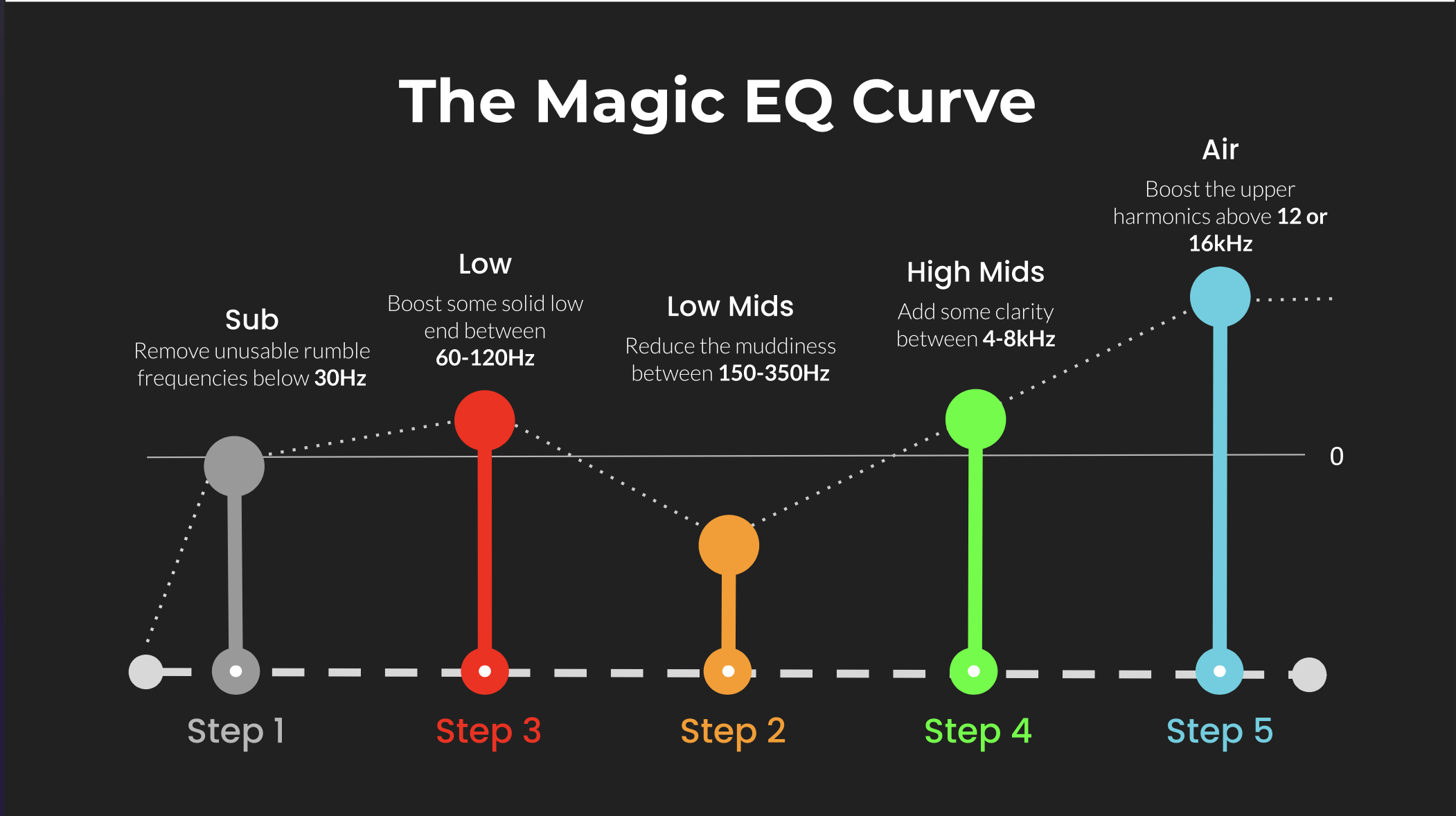 ⭐️ Download my Free Magic EQ settings Guide ⭐️

⭐️ Download my Free Magic Reverb settings Guide ⭐️
#protools #daw #homestudio #recordingschool #recording #musicproduction
Also read:
How to Start Your Own Online Business Teaching Music
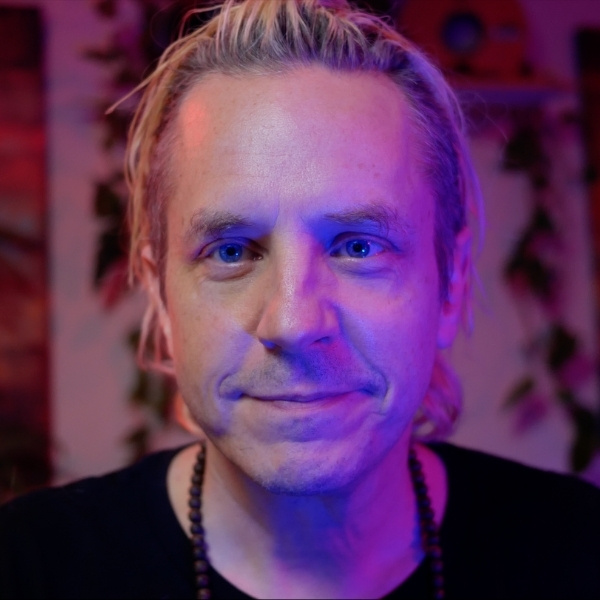
Hey, I'm Futch - Music Production Coach and Ableton Certified Trainer
Learn how to make your first song and beat in Ableton Live with my
FREE 90-minute Ableton Live course
I've been teaching audio engineering and music production for 35 years.⭐️
Check out my new online music production program: Music Production Ninja...