What Is Wavetable Synthesis? 🎹
More Than One Waveform
Imagine you had a synthesizer with only one waveform.
A saw wave.
You could shape it with filters and envelopes.
That's how many classic analog synthesizers work.
Now imagine instead of one waveform...
You had hundreds.
And instead of choosing one...
You could smoothly move through them while playing.
That's wavetable synthesis.
It's one of the most expressive and visually intuitive forms of synthesis available today.
Quick Summary
👉 Wavetable synthesis creates sound by scanning through a collection of digital waveforms called a wavetable. Instead of using a single oscillator shape, the waveform can change continuously over time, creating evolving textures and complex sounds that would be difficult to produce with traditional analog subtractive synthesis.
🌊 What Is a Wavetable?
A wavetable is exactly what it sounds like.
It's a table...
Filled with waveforms.
Imagine a flipbook.
Each page contains a slightly different drawing.
Flip the pages slowly...
The drawing changes.
A wavetable works the same way.
Each "page" contains a different waveform.
Instead of flipping pages...
The synthesizer scans through them.
A wavetable is a collection of waveforms waiting to be explored.
🎛️ How Does Wavetable Synthesis Work?
Traditional analog synthesizers usually begin with:
- One saw wave
- One square wave
- One triangle wave
- One sine wave
You pick one.
Then shape it.
Wavetable synthesizers begin differently.
Instead of choosing one waveform...
You choose an entire collection of waveforms.
Then you move through them.
As the waveform changes...
The timbre changes.
The note stays the same.
The character evolves.
How Synthesis and Synthesizers Work 🎛️
📖 The Flipbook Analogy
Imagine drawing a face.
On page one:
A smile.
On page two:
A grin.
On page three:
An open mouth.
On page four:
A laugh.
Flip through the pages.
The face comes alive.
Wavetable synthesis works almost exactly like that.
Except instead of drawings...
You're flipping through waveforms.
🎹 How Is It Different from Subtractive Synthesis?
Subtractive synthesis starts with a harmonically rich waveform and removes frequencies.
Usually with:
- Filters
- Envelopes
- Resonance
Think of it like carving a statue from a block of marble.
You start with everything.
Then remove material.
Synth Legends: The Roland Juno-106 🌈
Wavetable synthesis takes a different approach.
Instead of carving...
It changes the source itself.
The waveform evolves before it even reaches the filter.
Subtractive Synthesis
- One oscillator shape
- Filters do most of the work
- Warm analog sound
- Simple signal path
Synth Legends: The Moog Minimoog 🎛️
Wavetable Synthesis
- Hundreds of waveforms
- Oscillators constantly changing
- Digital textures
- Evolving timbres
Subtractive synthesis changes the sound after it's created.
Wavetable synthesis changes the sound as it's being created.
🎼 Is It Like a Sampler?
In some ways...
Yes.
Both use digital audio.
Both can produce incredibly realistic or complex sounds.
But they're not the same.
Sampler
Plays recordings.
Examples:
- Piano samples
- Drum samples
- Vocal samples
The sound comes from recorded audio.
Wavetable Synth
Generates sound mathematically.
It scans through waveforms instead of replaying recordings.
Think of it like this:
A sampler plays a recording of a violin.
A wavetable synthesizer creates a completely new instrument inspired by waveforms.
A sampler replays sound.
A wavetable synth generates sound.
 ⭐️ Download my Free Music Production Guides or take my free Ableton Live Course ⭐️
🔄 Wavetable Modulation
This is where wavetable synthesis becomes exciting.
Almost anything can move through the wavetable.
Examples include:
- LFOs
- Envelopes
- Velocity
- Aftertouch
- Mod Wheel
- Automation
As the wavetable position changes...
The sound changes.
Without changing notes.
Imagine holding one piano key...
While the tone slowly transforms from:
Soft
Bright
Metallic
Aggressive
Airy
All from one sustained note.
That's wavetable modulation.
🎛️ Why Producers Love Wavetable Synthesis
Because movement creates interest.
Instead of static sounds...
You get evolving sounds.
Perfect for:
- Pads
- Leads
- Basses
- Atmospheres
- Sound effects
Many modern EDM sounds rely heavily on wavetable movement.
Motion creates emotion.
👑 The Original Wavetable Synths
The idea of wavetable synthesis dates back to the early 1980s.
PPG Wave
Created by Wolfgang Palm.
The PPG Wave combined:
- Digital wavetable oscillators
- Analog filters
It became famous for its unique hybrid sound.
Artists including:
- Depeche Mode
- Thomas Dolby
- Tears for Fears
- Tangerine Dream
used it extensively.
Synth Legends: The PPG Wave 2 🌊
Waldorf Microwave
When PPG disappeared...
Waldorf continued developing the technology.
The Microwave expanded the concept with:
- More modulation
- More waveforms
- Greater flexibility
It became a classic throughout the 1990s.
Synth Legends: The Waldorf Microwave and XT 🌊
Waldorf Wave
A larger, more advanced flagship instrument that pushed wavetable synthesis even further.
Today it's considered one of the most sought-after synthesizers ever built.
Without PPG and Waldorf, modern wavetable synthesis might not exist.
💻 Modern Wavetable Synthesizers
Today's software makes wavetable synthesis available to everyone.
Xfer Serum
Serum is robably the world's most popular wavetable synthesizer.
Known for:
- Beautiful interface
- Drag-and-drop workflow
- Incredible sound quality
- Massive modulation system
It's become a standard tool in:
- EDM
- Dubstep
- Trap
- Future Bass
- Pop
Ableton Wavetable
Wavetable is included with Ableton Live Suite.
Known for:
- Clean interface
- Excellent sound
- Smooth modulation
- Deep integration with Ableton Live
Perfect for producers who already work inside Ableton.
Waldorf Plugins
Waldorf still produces software instruments inspired by their legendary hardware.
These continue the original wavetable tradition with modern workflows.
They are also available on Plugin Alliance.
🎵 What Kind of Music Uses Wavetable Synthesis?
Almost every modern genre.
Especially:
- EDM
- Dubstep
- Drum & Bass
- Techno
- House
- Ambient
- Cinematic music
- Synthwave
- Pop
Anywhere you hear evolving digital textures...
There's a good chance wavetable synthesis is involved.
🎛️ Why Sound Designers Love It
Wavetable synthesis offers enormous flexibility.
You can combine:
- Filters
- LFOs
- Envelopes
- Effects
- Automation
With wavetable movement.
The result is a sound that's constantly evolving.
This makes it one of the most powerful tools for creating unique instruments.
🧠 A Simple Memory Trick
Subtractive Synthesis
Start with one waveform.
Remove frequencies.
FM Synthesis
One oscillator changes another.
Wavetable Synthesis
Move through many waveforms.
Think of them like sculpture.
Subtractive:
Carving one block of marble.
FM:
Two sculptors changing each other's work.
Wavetable:
Walking through an entire art gallery.
🧠 FAQ
Q: What is wavetable synthesis?
A: A form of synthesis that generates sound by scanning through a collection of digital waveforms.
Q: Is wavetable synthesis digital or analog?
A: It's primarily a digital synthesis method, although some classic hardware combined digital oscillators with analog filters.
Q: What's the difference between wavetable and subtractive synthesis?
A: Subtractive synthesis removes frequencies from one waveform, while wavetable synthesis changes the waveform itself over time.
Q: Is Serum a wavetable synthesizer?
A: Yes. Serum is one of the most popular wavetable synthesizers ever created.
Q: Is Ableton Wavetable good for beginners?
A: Yes. Its clean interface makes it an excellent introduction to wavetable synthesis.
🔑 Final Thought
Wavetable synthesis changed what synthesizers could become.
Instead of choosing one sound...
You could explore hundreds.
Instead of static tones...
You could create movement.
Instead of simply filtering waveforms...
You could transform them.
Subtractive synthesis shapes a sound.
Wavetable synthesis lets the sound evolve.
And once you start exploring wavetables, you'll realize you're no longer choosing a waveform...
You're choosing a journey through sound.
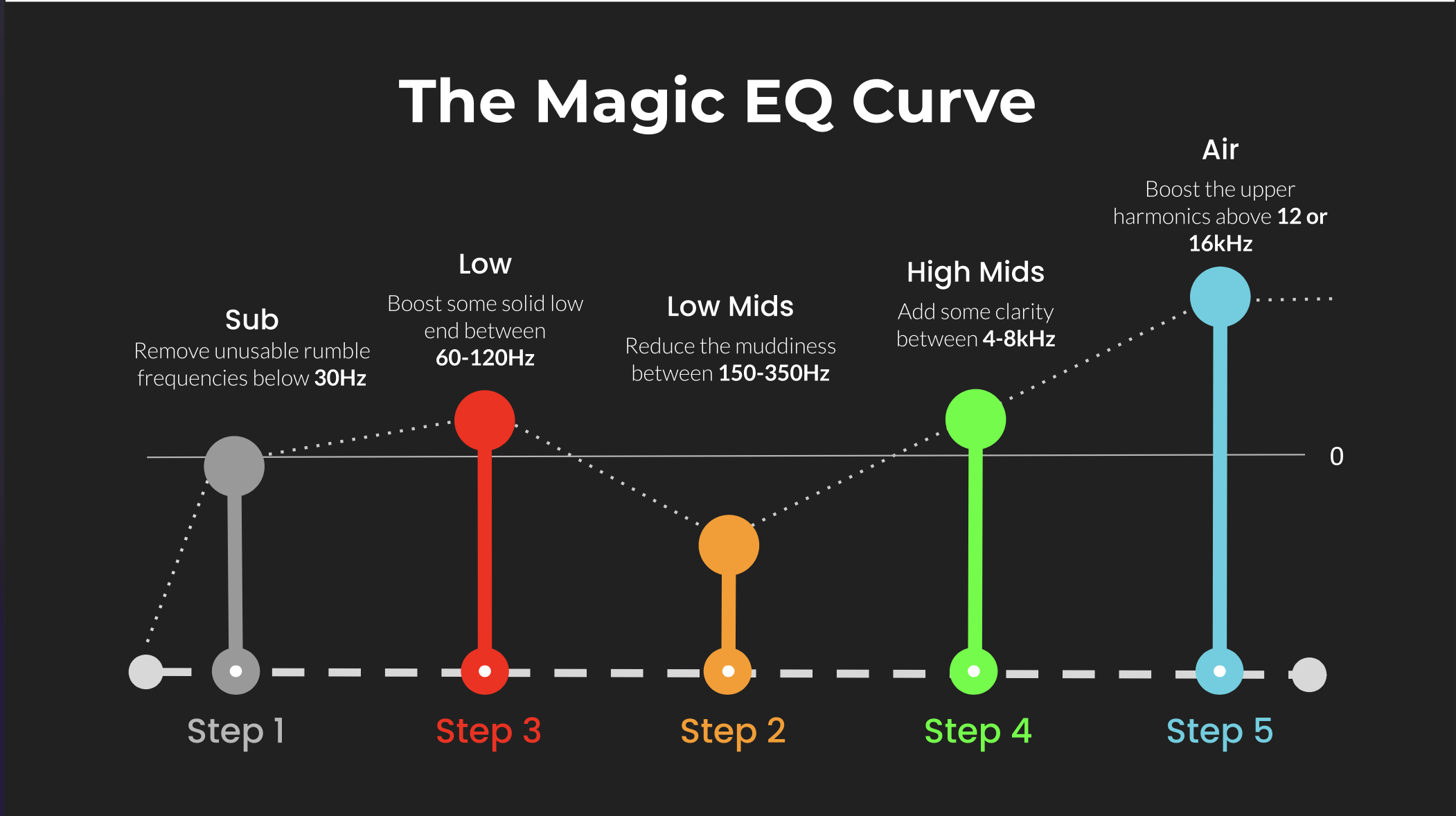 ⭐️ Download my Free Magic EQ settings Guide ⭐️

⭐️ Download my Free Magic Reverb settings Guide ⭐️
#protools #daw #homestudio #recordingschool #recording #musicproduction
Also read:
How to Start Your Own Online Business Teaching Music
Hey, I'm Futch - Music Production Coach and Ableton Certified Trainer

Learn how to make your first song and beat in Ableton Live with my
FREE 90-minute Ableton Live course
I've been teaching audio engineering and music production for 35 years.⭐️
Check out my new online music production program: Music Production Ninja...