Music Systems: The Sections of an Orchestra 🎼
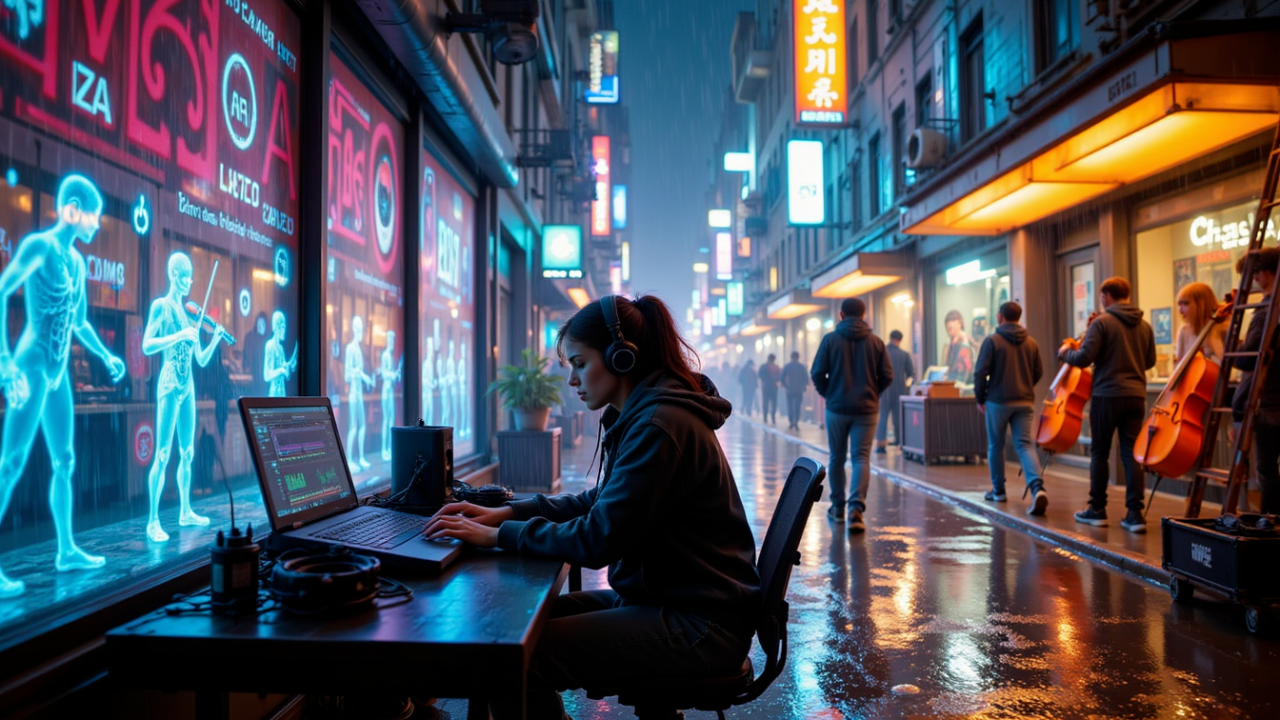
The Original Music Production System
“Alone we can do so little; together we can do so much.”
— Helen Keller
Long before DAWs...
Long before plugins...
Long before recording studios...
There was the orchestra.
An orchestra is one of the greatest examples of a complex creative system ever created.
Dozens or even hundreds of musicians.
Multiple instrument families.
Specialized leaders.
One conductor.
One musical vision.
And somehow it all works.
Quick Summary
👉 An orchestra is a large musical system made up of four main sections: Strings, Woodwinds, Brass, and Percussion. Each section has its own instruments and leaders, while the conductor guides the entire ensemble so that all musicians perform together as one unified musical organism.
Finishing Songs: Arranging and Song Structure 🎼
🎛️ Thinking Like a Producer
If you've ever worked on a large music production session, you'll recognize something familiar.
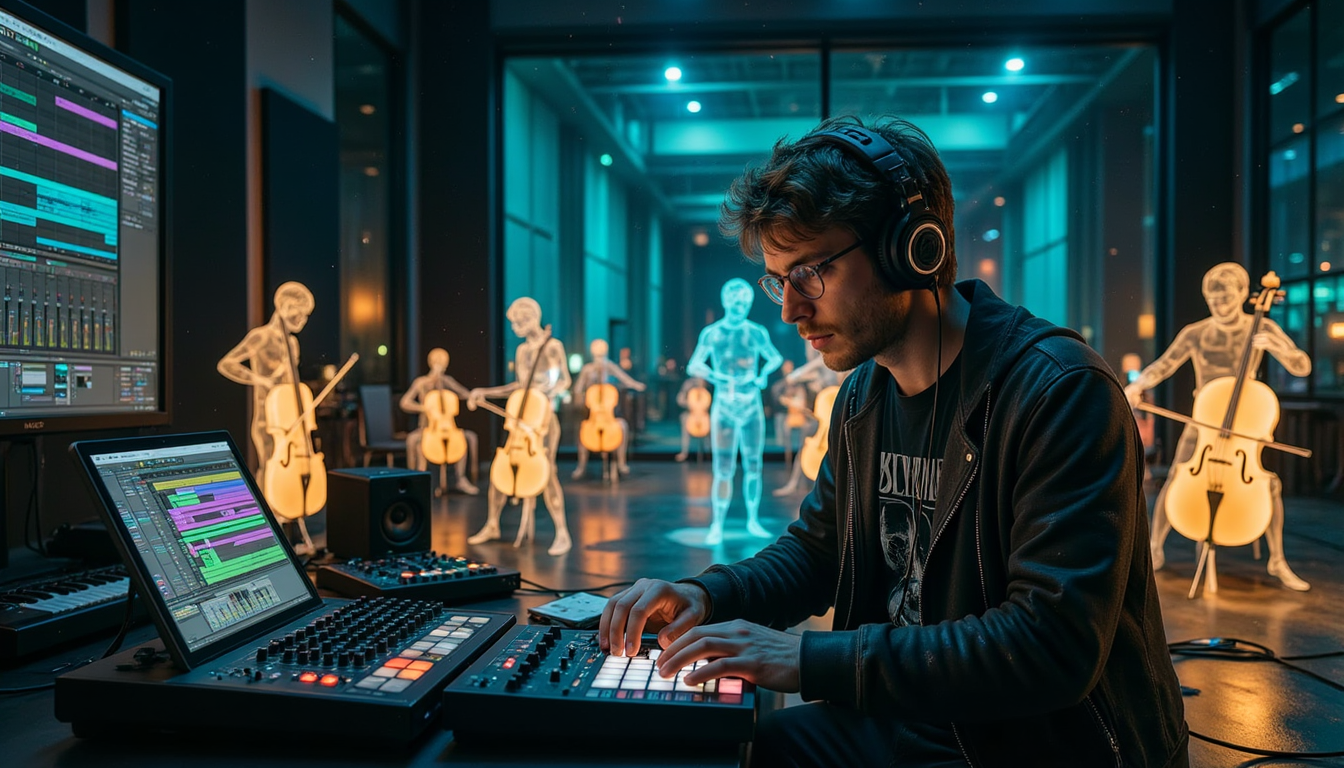
An orchestra operates much like a modern studio production.
Think about:
- Individual musicians = tracks
- Sections = groups or buses
- Section leaders = subgroup leaders
- Conductor = producer
The orchestra may be centuries old...
But the organizational principles are timeless.
An orchestra is a living mix session.
🎻 The String Section
The strings are the largest section of most orchestras.
They often provide:
- Harmony
- Melody
- Movement
- Emotional foundation
Violin
The highest string instrument.
Often carries:
- Main melodies
- Fast passages
- Expressive lines
Viola
Slightly larger than a violin.
Provides:
- Inner harmonies
- Rich midrange textures
Cello
Known for its warm, human-like tone.
Often performs:
- Countermelodies
- Bass movement
- Emotional melodies
Double Bass
The lowest string instrument.
Provides:
- Foundation
- Weight
- Low-end support
Think of the string section as the orchestra's giant synthesizer pad.
How Synthesis and Synthesizers Work 🎛️
🎺 The Brass Section
Brass instruments provide power.
When the brass enters...
Everyone notices.
Trumpet
Bright.
Bold.
Heroic.
Often used for:
- Fanfares
- Main themes
- High-energy moments
French Horn
Warm and majestic.
A bridge between brass and woodwinds.
Trombone
Powerful and expressive.
Often used for:
- Dramatic moments
- Harmonic support
Tuba
The lowest brass instrument.
Provides:
- Weight
- Power
- Foundation
Think of brass as the orchestra's distortion plugin.
When brass enters, the emotional intensity usually rises.
🎷 The Woodwind Section
Woodwinds often provide color and personality.
They bring contrast to the larger sections.
Flute
Light and airy.
Often associated with:
- Nature
- Flight
- Magic
Oboe
Focused and expressive.
One of the most recognizable orchestral sounds.
Clarinet
Flexible and versatile.
Can sound:
- Warm
- Playful
- Dramatic
Bassoon
The low voice of the woodwinds.
Adds:
- Character
- Humor
- Warmth
Think of woodwinds as the specialty instruments in a modern production.
 ⭐️ Download my Free Music Production Guides or take my free Ableton Live Course ⭐️
🥁 The Percussion Section
The percussion section controls rhythm, impact, and excitement.
Timpani
Large tuned drums.
Often reinforce harmonic movement.
Snare Drum
Provides:
- Energy
- Precision
- Military character
Bass Drum
Adds power and impact.
Cymbals
Used for:
- Accents
- Transitions
- Drama
Mallet Instruments
Examples:
- Xylophone
- Glockenspiel
- Vibraphone
- Marimba
These instruments add melody and texture.
Think of percussion as the orchestra's drum kit and sound effects department combined.
How to Tune Analog Drums & Drum Samples for Recording and Music Production 🥁
🎻 The Concertmaster
Every section has leaders.
The most important section leader is the:
Concertmaster
The principal first violinist.
Responsibilities include:
- Leading the string section
- Coordinating bowings
- Acting as a bridge between conductor and orchestra
In many ways, the concertmaster is the orchestra's assistant manager.
🎺 Principal Players
Each section typically has a lead player.
Examples include:
- Principal Trumpet
- Principal Flute
- Principal Oboe
- Principal Cello
These musicians help:
- Set the musical direction
- Lead their sections
- Solve performance challenges
Think of principal players as team captains.
🎼 The Conductor
The conductor is the leader of the entire system.
What Does a Conductor Actually Do?
Many beginners think conductors simply wave their arms.
It's much more than that.
They control:
- Tempo
- Dynamics
- Balance
- Interpretation
- Communication
The conductor helps dozens of musicians perform as a single unit.
The Producer Analogy
In modern music production:
The conductor is often closest to a:
- Producer
- Director
- Project Manager
They may not play every note.
But they shape the final result.
Producer Types: From a Music Fan to a Music Producer ☯️
The conductor doesn't make the sound.
They organize the sound.
🎛️ Why the Orchestra Is a System
The orchestra teaches one of the most important lessons in music production:
Everything is connected.
The violins affect the cellos.
The brass affects the strings.
The percussion affects everyone.
No section exists in isolation.
Think about your DAW.
- Tracks become groups
- Groups become buses
- Buses become the mix
The orchestra works exactly the same way.
Small parts create large outcomes.
🧠 What Music Producers Can Learn From an Orchestra
Even if you never write orchestral music...
The orchestra teaches powerful production lessons.
Specialization
Every musician has a role.
Leadership
Every section has a leader.
Communication
Everyone follows the same vision.
Balance
No instrument should dominate all the time.
Arrangement
Every sound needs its own space.
These principles apply equally to:
- Recording
- Mixing
- Songwriting
- Producing
🧠 FAQ
Q: What are the four main sections of an orchestra?
A: Strings, Woodwinds, Brass, and Percussion.
Q: What is the largest section?
A: Usually the string section.
Q: What does the conductor do?
A: Guides tempo, dynamics, interpretation, and coordination.
Q: What is a concertmaster?
A: The principal first violinist and lead musician of the orchestra.
Q: Why should music producers study orchestras?
A: Orchestras demonstrate arrangement, balance, leadership, and system design at the highest level.
🔑 Final Thought
An orchestra isn't just a collection of instruments.
It's a system.
Strings.
Woodwinds.
Brass.
Percussion.
Section leaders.
A conductor.
Hundreds of individual decisions working together toward one goal.
The orchestra reminds us that great music isn't created by isolated parts.
It's created when every part serves the whole.
Whether you're producing a symphony or a song in your bedroom studio, the lesson is the same:
The magic happens when the system works together.
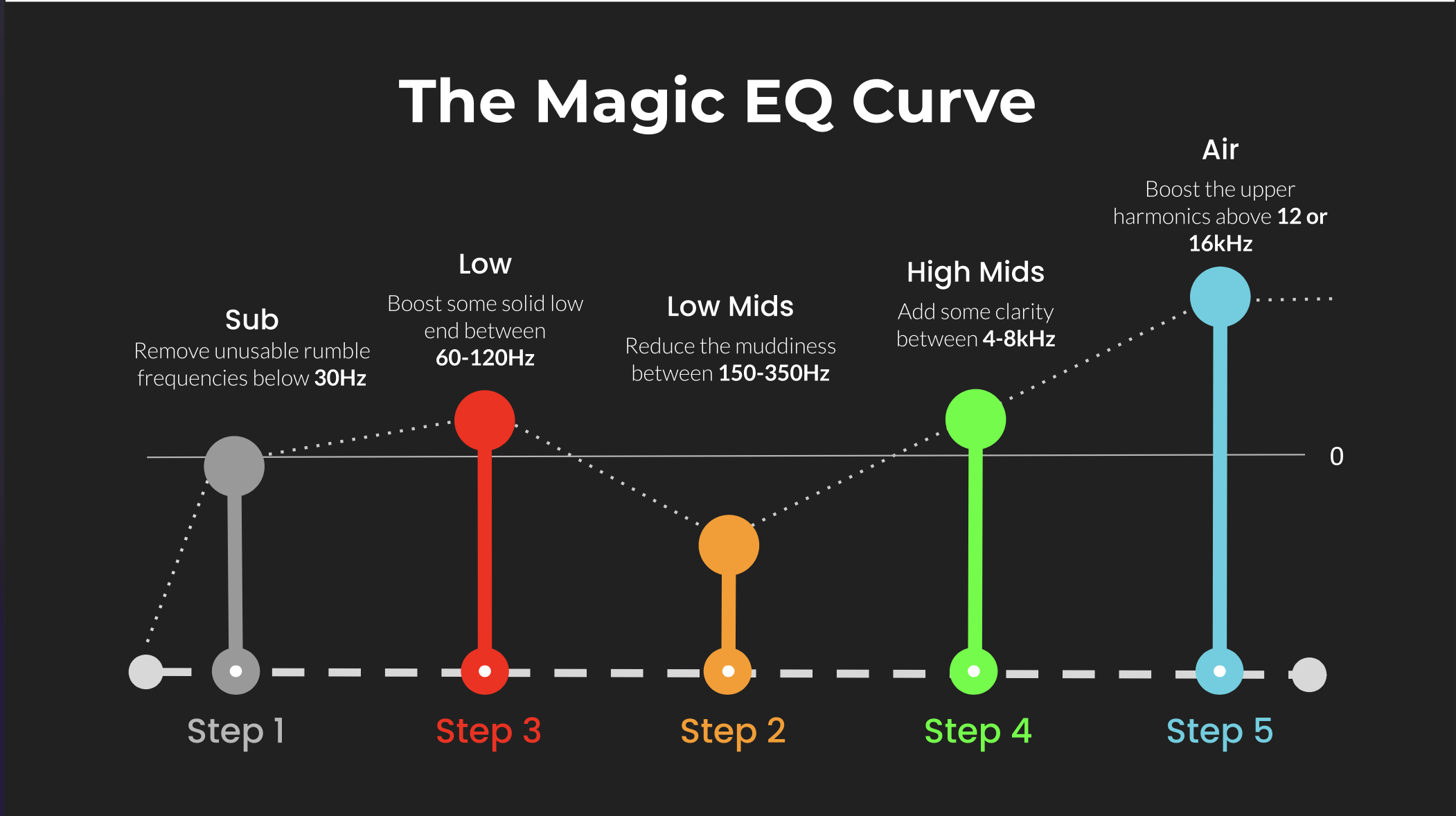 ⭐️ Download my Free Magic EQ settings Guide ⭐️

⭐️ Download my Free Magic Reverb settings Guide ⭐️
#protools #daw #homestudio #recordingschool #recording #musicproduction
Also read:
How to Start Your Own Online Business Teaching Music
Hey, I'm Futch - Music Production Coach and Ableton Certified Trainer

Learn how to make your first song and beat in Ableton Live with my
FREE 90-minute Ableton Live course
I've been teaching audio engineering and music production for 35 years.⭐️
Check out my new online music production program: Music Production Ninja...