Home Studio Shopping List: What to Buy First and What Can Wait 🛒
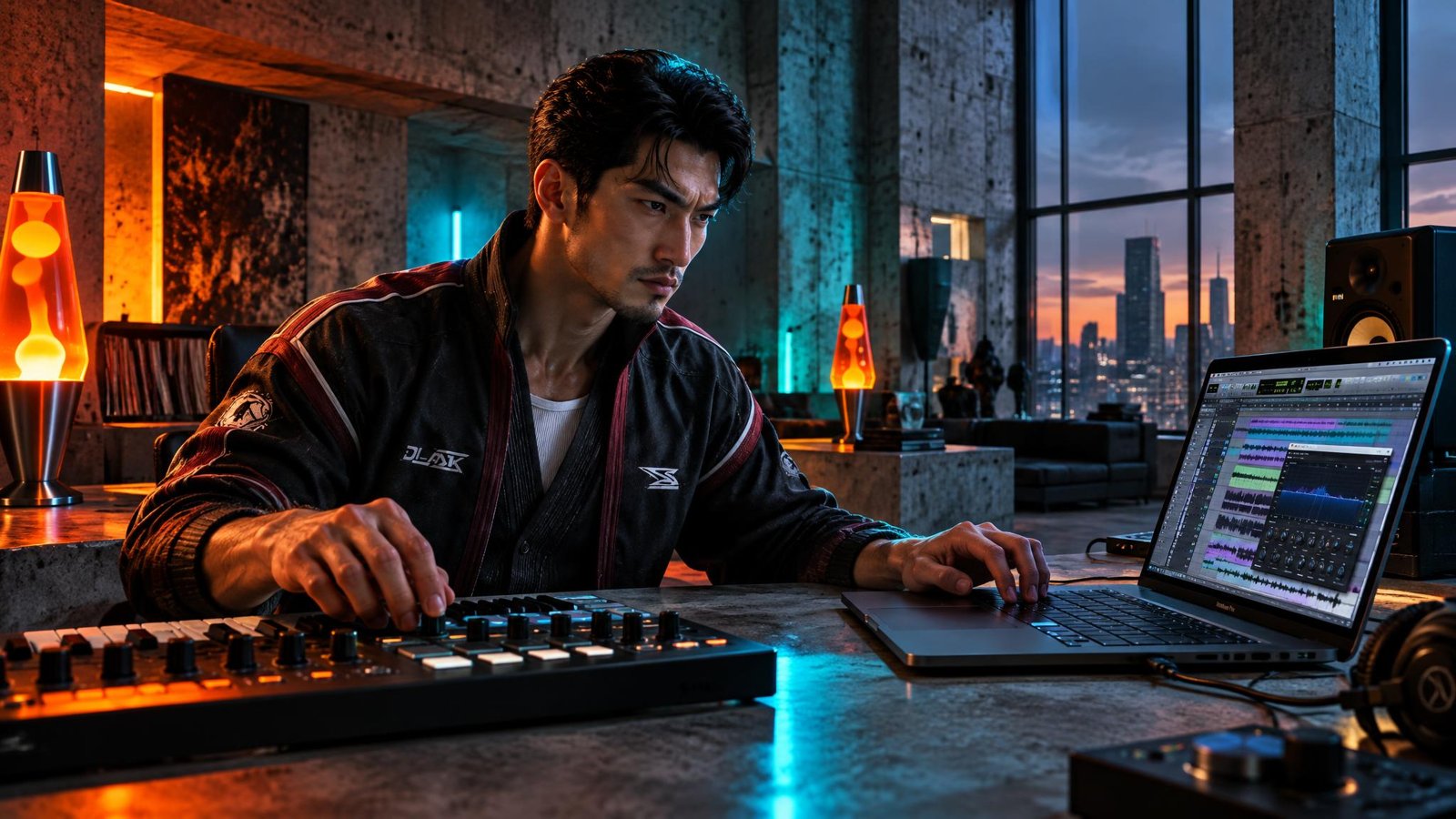
Don't Buy the Whole Store
You decide to start making music at home.
You open a music store website.
Microphones.
Preamps.
Monitors.
Cables.
Plugins.
Acoustic panels.
A shiny synth.
Your cart fills up.
Your bank account empties.
And you still haven't made a song.
Do you need all of it to start?
No.
Do you need a few things?
Yes.
Also read: The Home Studio Setup Guide: How to Get the Best Sound Out of Your Room
Quick Summary
Buy in this order:
👉 1. A computer and a DAW — you probably own the computer already
👉 2. An audio interface — gets sound in and out
👉 3. Closed-back headphones — to track and check your mix
👉 4. One microphone, a stand and a cable — if you sing or play acoustic instruments
👉 5. A MIDI keyboard — if you make beats or play software instruments
Later:
👉 Studio monitors
👉 Acoustic treatment
👉 More mics, preamps and plugins
Start small.
Make songs.
Let the songs tell you what to buy next.
1. 💻 The Computer and the DAW
Your DAW is where everything happens.
Recording.
Editing.
Beats.
Mixing.
Many audio interfaces and MIDI keyboards come with a free version of a DAW, like Ableton Live Lite.
Try that first.
Upgrade when you hit its limits.
Also read: The Best DAWs for Beginners in 2026 💻
2. 🔌 The Audio Interface
Your computer's headphone jack isn't built for recording.
An audio interface is.
For most beginners, two inputs is enough.
One for a mic.
One for a guitar or a second mic.
Look for:
👉 At least one mic input with phantom power (48V)
👉 A headphone output with its own volume knob
👉 Direct monitoring
Also read: The Best Audio Interfaces for Beginners
3. 🎧 Headphones
Get closed-back headphones first.
They don't leak sound into your mic while you track.
They also let you mix late at night without waking anyone up.
Open-back headphones and monitors can come later.
Also read: Should I Mix on Headphones or Speakers?
 ⭐️ Download my Free Music Production Guides or take my free Ableton Live Course ⭐️
4. 🎤 One Microphone
You don't need a mic locker.
You need one mic you know well.
A dynamic mic is forgiving in an untreated room.
It picks up less of your room and more of you.
A condenser mic hears more detail.
And more of your room.
Don't forget:
👉 A mic stand
👉 An XLR cable
👉 A pop filter for vocals
Also read: Shure SM7B vs SM57: Which Mic Should I Buy For My Home Studio? 🎤
5. 🎹 A MIDI Keyboard
If you make beats or use software instruments, get a small MIDI keyboard.
25 or 49 keys is a great start.
Pads are a bonus for drums.
If you only sing and play guitar, this one can wait.
⚔️ Buy Now vs. Buy Later
| Gear | Buy Now? | Why |
|---|---|---|
| DAW | Now | It's where everything happens |
| Audio interface | Now | Gets sound in and out |
| Closed-back headphones | Now | Track and mix without leaking |
| One mic, stand and cable | Now, if you sing or play | One good mic beats five okay ones |
| MIDI keyboard | Now, if you make beats | Play your software instruments |
| Studio monitors | Later | Your room has to be ready for them |
| Acoustic treatment | Later | Learn your room first |
| Expensive mics and preamps | Much later | Your performance matters more |
| Plugin bundles | Much later | Your DAW already has the basics |
Also read: How to Set Up Your Home Studio Speakers
⚖️ Too Much vs. Too Little
Buy too much...
And you spend your time learning gear instead of making music.
Buy too little...
And you can't get a clean sound in or out.
Just right is enough gear to finish a song.
🥷 Buy Gear for the Song You're Making
Step 1
Use what you already have.
Your computer.
A free DAW.
Any headphones.
Step 2
Add an audio interface, closed-back headphones and one mic.
Step 3
Finish three songs.
Then ask:
What stopped me?
Buy that.
Only that.
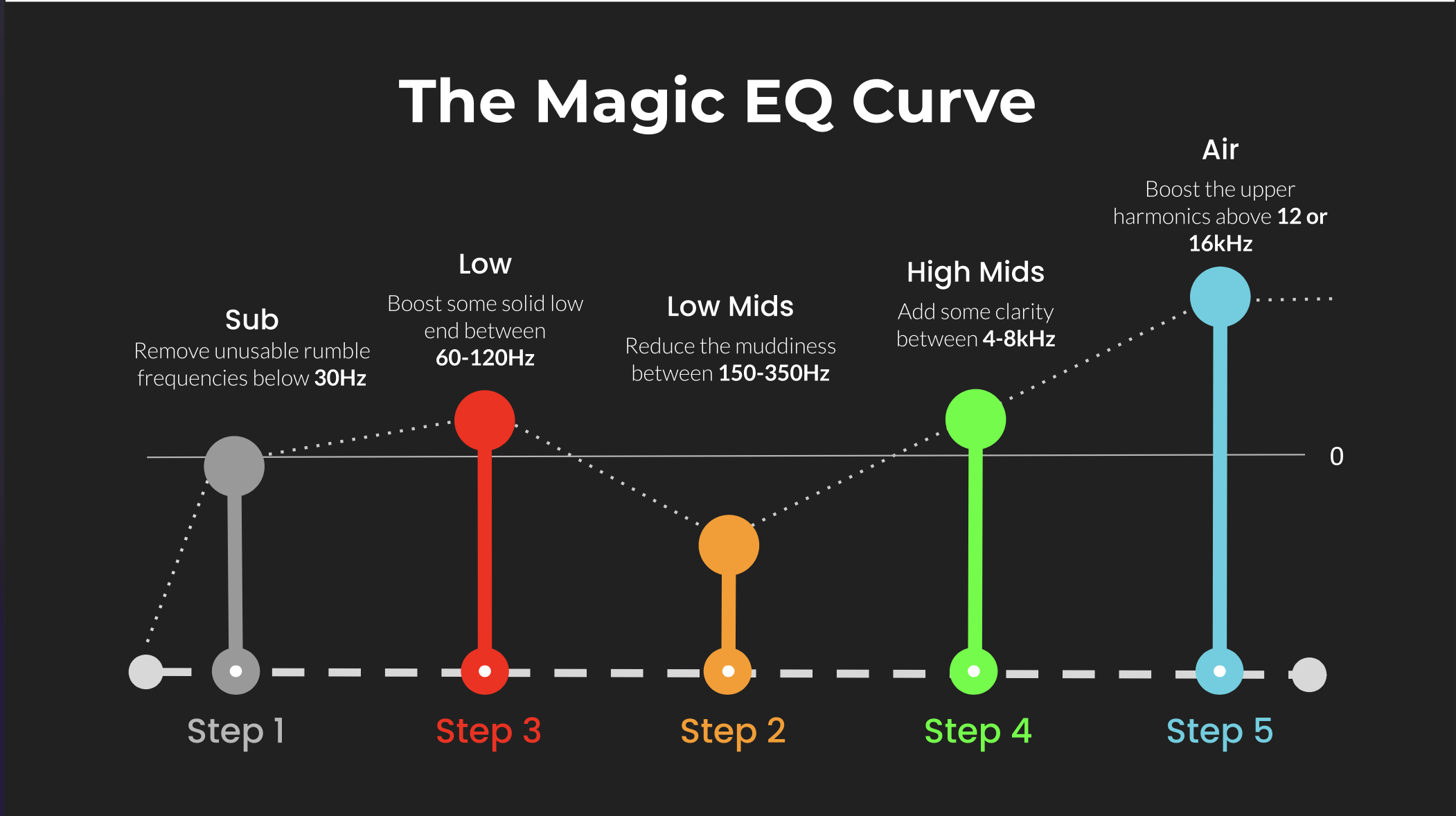 ⭐️ Download my Free Magic EQ settings Guide ⭐️

⭐️ Download my Free Magic Reverb settings Guide ⭐️
#protools #daw #homestudio #recordingschool #recording #musicproduction
Also read:
How to Start Your Own Online Business Teaching Music
Hey, I'm Futch - Music Production Coach and Ableton Certified Trainer

Learn how to make your first song and beat in Ableton Live with my
FREE 90-minute Ableton Live course
I've been teaching audio engineering and music production for 35 years.⭐️
Check out my new online music production program: Music Production Ninja...