What Are AAF and OMF Files and What Can They Do? 📁
The Shipping Container of Audio
“Good artists copy. Great artists steal.”
— Steve Jobs (who stole it from Picasso)
Imagine you're moving to a new house.
You could move every plate, chair, and lamp one at a time...
Or you could pack everything into shipping containers.
That's essentially what AAF and OMF files do.
They package up your edit so another program can rebuild it somewhere else.
Without them, audio post-production would be chaos.
Quick Summary
👉 AAF and OMF files are project exchange formats used to transfer audio edits, clips, timing information, fades, and metadata between different applications such as Pro Tools, Premiere Pro, Media Composer, and DaVinci Resolve. OMF is the older format. AAF is the newer, more powerful format and is generally preferred today.
🎛️ Why Do We Need AAF and OMF?
Imagine a video editor finishes a documentary.
The edit contains:
- Hundreds of audio clips
- Dialogue
- Music
- Sound effects
- Crossfades
- Track organization
Now the project needs to go to an audio engineer for mixing.
The engineer doesn't need:
- The video effects
- The color correction
- The graphics
They only need the audio edit.
That's where AAF and OMF come in.
The Middle Path: Balancing Two Extremes When Mixing Music ☯️
AAF and OMF allow one program to explain an edit to another program.
🎞️ What Is an OMF File?
OMF stands for:
Open Media Framework
It was developed in the 1990s when hard drives were small and computers were slow.
At the time, it was revolutionary.
What OMF Can Transfer
- Audio clips
- Edit points
- Basic fades
- Track placement
- Timing information
What OMF Cannot Transfer Well
- Large projects
- Complex metadata
- Advanced automation
- Modern workflows
Think of OMF Like This
OMF is like a fax machine.
It still works.
But there are newer ways to send information.
📦 What Is an AAF File?
AAF stands for:
Advanced Authoring Format
It was designed to solve many of OMF's limitations.
Today, AAF is the preferred format for professional post-production.
What AAF Can Transfer
- Audio clips
- Track layout
- Fades
- Metadata
- Timecode
- Project organization
- More detailed edit information
Why Professionals Prefer AAF
AAF handles:
- Larger sessions
- More tracks
- More metadata
- More complex projects
With fewer headaches.
DAW Overview: File Types & File Management
If OMF is a fax machine, AAF is email.
🎬 Common Workflow Example
Let's say you're editing a YouTube video.
Step 1
The video editor works inside:
- Premiere Pro
- DaVinci Resolve
- Media Composer
Step 2
The editor exports an AAF.
Step 3
The audio engineer imports the AAF into Pro Tools.
Step 4
Pro Tools rebuilds the edit automatically.
The engineer now sees:
- Dialogue clips
- Music edits
- Sound effects
- Track structure
Ready for mixing.
Should I Learn Pro Tools or Ableton Live? 💻
Hours of editing can be reconstructed in seconds.
🎚️ What Information Gets Transferred?
Think of an AAF as a blueprint.
It tells another program:
- Which files were used
- Where they begin
- Where they end
- What tracks they belong to
- How they are organized
What Usually Transfers
- Audio files
- Clip timing
- Track names
- Crossfades
- Volume edits
- Timecode
What May Not Transfer
- Plugins
- Virtual instruments
- Complex automation
- Custom software features
Always verify the session after importing.
 ⭐️ Download my Free Music Production Guides or take my free Ableton Live Course ⭐️
🎵 AAF and Music Production
AAF files aren't just for film and television.
They can also help in music production.
For example:
A producer may edit tracks in one DAW.
A mix engineer may mix them in another.
AAF can sometimes help transfer the edit information.
However, most music producers still prefer:
- Consolidated audio files
- Stems
- Multitracks
These formats tend to be more reliable between DAWs.
🎚️ AAF vs Stems
Many beginners confuse these two concepts.
They solve different problems.
AAF
Transfers:
- Edit decisions
- Track layout
- Timing
- Project structure
Stems
Transfers:
- Actual rendered audio
Examples:
- Drum Stem
- Vocal Stem
- Guitar Stem
Simple Analogy
AAF is the recipe.
Stems are the finished meal.
Stems vs. Multitracks: What’s the Difference? 🎚️
🎛️ AAF vs Multitracks
A multitrack export contains:
- Every individual track
Examples:
- Kick
- Snare
- Bass
- Vocal
- Guitar
Each exported separately.
AAF is different.
It preserves the edit itself.
Analogy
Multitracks are the ingredients.
AAF is the assembly instructions.
🎞️ Common Programs That Support AAF
Many professional applications support AAF.
Examples include:
- Pro Tools
- Media Composer
- Premiere Pro
- DaVinci Resolve
- Logic Pro
- Nuendo
- Pyramix
Support varies by version and workflow.
Always test before a major project.
⚠️ Common Problems
Even professionals encounter issues.
Missing Audio Files
The AAF references media that wasn't included.
Unsupported Features
One application may use features the other cannot read.
Frame Rate Problems
Video projects must share the same frame rate.
Examples:
- 23.976
- 24
- 25
- 29.97
- 30 fps
Timecode Errors
Incorrect session settings can cause clips to shift.
Most AAF problems come from preparation, not the format itself.
🧠 Why Audio Engineers Love AAF
Without AAF:
- Projects must be rebuilt manually
- Hundreds of clips need re-editing
- Valuable time is lost
With AAF:
- Sessions open faster
- Edits transfer automatically
- Collaboration becomes easier
Think of it as the difference between:
- Rebuilding a house from memory
and
- Receiving the architect's blueprints
🧠 FAQ
Q: What does AAF stand for?
A: Advanced Authoring Format.
Q: What does OMF stand for?
A: Open Media Framework.
Q: Which is better, AAF or OMF?
A: AAF is generally preferred because it supports more metadata and larger projects.
Q: Does AAF transfer plugins?
A: Usually no. It primarily transfers edit information and media references.
Q: What software uses AAF files?
A: Pro Tools, Premiere Pro, DaVinci Resolve, Media Composer, Logic Pro, Nuendo, and many other professional applications.
🔑 Final Thought
AAF and OMF aren't exciting.
They're not plugins.
They're not microphones.
They're not instruments.
But they solve one of the most important problems in professional production:
Communication.
Editors.
Mix engineers.
Sound designers.
Composers.
All working in different software.
All speaking different technical languages.
AAF and OMF act as translators between creative teams.
And in modern production, good communication is often the difference between chaos and a smooth workflow.
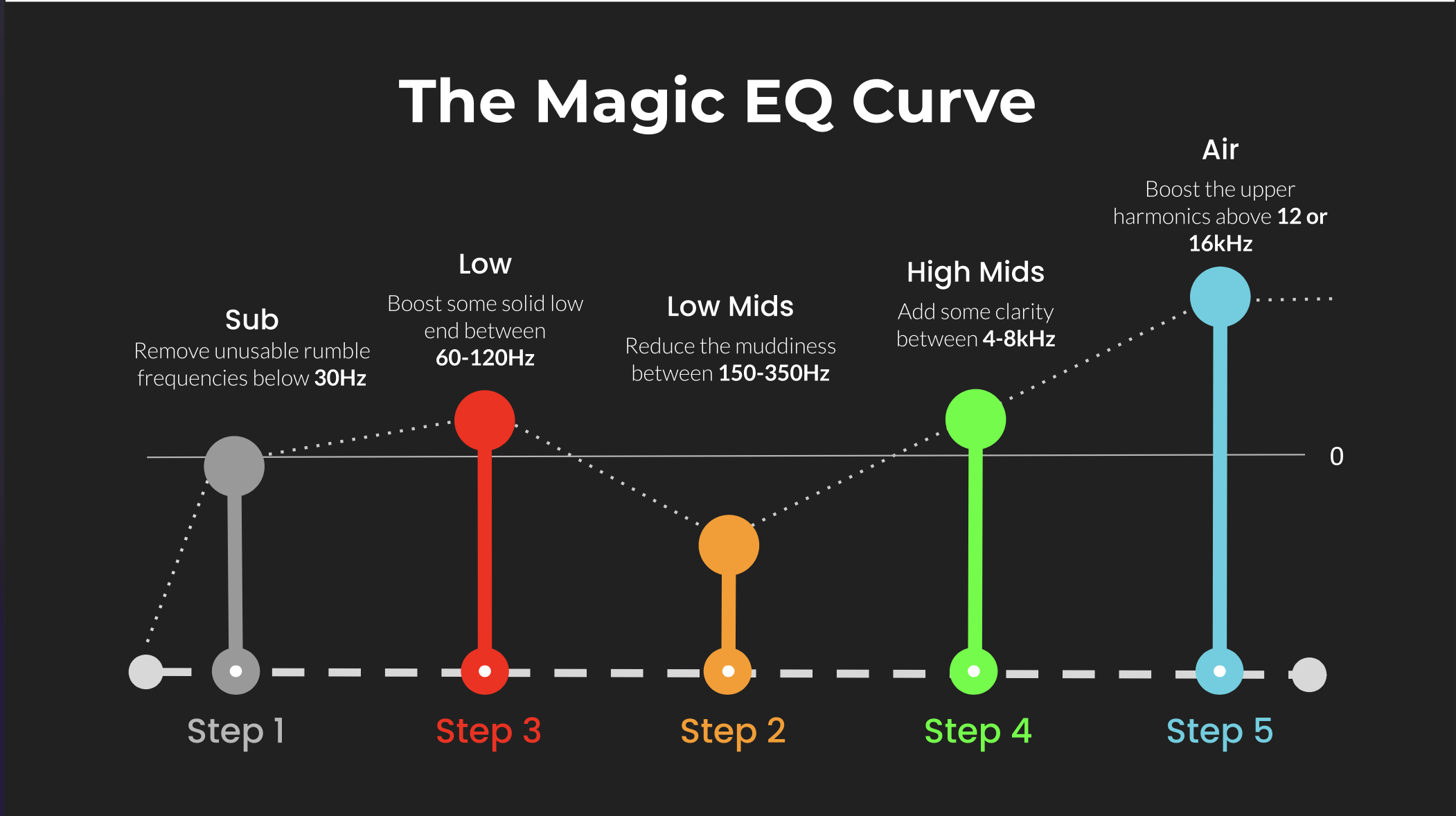 ⭐️ Download my Free Magic EQ settings Guide ⭐️

⭐️ Download my Free Magic Reverb settings Guide ⭐️
#protools #daw #homestudio #recordingschool #recording #musicproduction
Also read:
How to Start Your Own Online Business Teaching Music
Hey, I'm Futch - Music Production Coach and Ableton Certified Trainer
Learn how to make your first song and beat in Ableton Live with my
FREE 90-minute Ableton Live course
I've been teaching audio engineering and music production for 35 years.⭐️
Check out my new online music production program: Music Production Ninja...