Mix Bus Compression: SSL Bus Compressor vs API 2500 💥

The Glue That Holds a Mix Together
“The whole is greater than the sum of its parts.”
— Aristotle
Imagine you've spent hours mixing.
The kick sounds great.
The bass sounds great.
The guitars sound great.
The vocals sound great.
But somehow...
The mix still sounds like separate instruments.
Not one song.
That's where mix bus compression comes in.
It's one of the final stages of mixing.
Not to fix individual instruments...
But to help everything feel like it belongs together.
Quick Summary
👉 Mix bus compression applies gentle compression to the entire stereo mix, helping individual tracks feel more cohesive. Unlike channel compression, which shapes one instrument, or group bus compression, which controls a family of instruments like drums or vocals, mix bus compression affects the whole mix. Two of the most famous mix bus compressors are the SSL Bus Compressor and the API 2500.
Compression Explained Like Wrestling a Wild Animal 🐅
🎚️ Three Levels of Compression
Many beginners think compression is just compression.
Professionals think about where they're compressing.
There are three common levels.
🥁 Channel Compression
This is compression on a single track.
Examples:
- Kick drum
- Snare
- Bass
- Lead vocal
- Guitar
The goal is to control one performance.
Examples:
- Even out a vocal
- Add punch to a kick
- Control bass dynamics
Think of it like coaching one player on a sports team.
🎸 Group Bus Compression
Now imagine several similar instruments feeding one bus.
Examples:
- Drum Bus
- Guitar Bus
- Vocal Bus
- Background Vocal Bus
- Piano Bus
Instead of compressing every track separately...
You compress the entire group.
This helps the instruments behave as one section.
Think of it as coaching the entire drum section instead of each drummer individually.
🎼 Mix Bus Compression
Now everything comes together.
Drums.
Bass.
Vocals.
Guitars.
Keys.
Effects.
Every track.
Every bus.
Everything.
The stereo mix.
The goal isn't heavy compression.
The goal is cohesion.
Mix bus compression is often described as "glue."
🧩 Why Is It Called Glue?
Imagine an orchestra.
Every musician plays beautifully.
Every section sounds great.
But without a conductor...
They don't quite feel connected.
Mix bus compression is a little like that conductor.
It doesn't change the notes.
It gently helps the entire mix breathe together.
The goal isn't to make every instrument louder.
It's to make every instrument feel like it's performing the same song.
👑 The SSL Bus Compressor
Few compressors have influenced modern music as much as the SSL Bus Compressor.
Originally built into the legendary:
Solid State Logic 4000 G Series console
Throughout the 1980s and 1990s...
Countless hit records passed through it.
Engineers loved how it made a mix feel:
- Tighter
- Punchier
- More cohesive
Without sounding heavily compressed.
The SSL Bus Compressor became famous for making great mixes sound finished.
🎵 What Does It Sound Like?
The SSL Bus Compressor is known for:
- Punch
- Glue
- Energy
- Cohesion
It keeps transients alive while gently controlling dynamics.
That's why it's become one of the most common compressors on a stereo mix.
Classic SSL Starting Settings
Every mix is different...
But a classic starting point is:
- Ratio: 2:1
- Attack: 30 ms
- Release: Auto
- Gain Reduction: 1–2 dB
Notice how gentle that is.
Many engineers believe the SSL sounds best when it's barely working.
🔥 The API 2500
The API 2500 comes from another legendary American console manufacturer.
API consoles became famous for:
- Rock
- Funk
- Pop
- Hip-Hop
The API 2500 has a different personality than the SSL.
It's more aggressive.
More colorful.
More flexible.
🎵 What Does It Sound Like?
The API 2500 is known for:
- Punch
- Weight
- Character
- Low-end authority
It often adds a little more attitude than the SSL.
Especially on modern rock and drums.
One of its unique features is the Thrust circuit.
Instead of compressing every frequency equally...
It changes how the detector responds to low frequencies.
The result?
The kick drum stays punchy instead of triggering excessive compression.
The API 2500 lets low end hit hard without crushing the entire mix.
⚔️ SSL vs API
Both are excellent.
They simply have different personalities.
SSL Bus Compressor
Best known for:
- Glue
- Transparency
- Cohesion
- Pop
- Rock
- Modern mixing
API 2500
Best known for:
- Punch
- Character
- Bigger low end
- Rock
- Hip-Hop
- Funk
- Aggressive drums
Think of them like two mastering engineers.
Both are world-class.
They simply hear music differently.
 ⭐️ Download my Free Music Production Guides or take my free Ableton Live Course ⭐️
💻 UAD Plugin Versions
If you don't own a six-figure mixing console...
Don't worry.
Universal Audio has created highly respected plugin emulations of both compressors.
UAD SSL 4000 G Bus Compressor
Captures much of the sound and workflow of the original hardware.
Excellent for:
- Mix bus
- Drum bus
- Piano bus
- Acoustic music
UAD API 2500 Bus Compressor
Models the original hardware with its:
- Thrust control
- Feed-forward/feedback modes
- Variable knee
- Stereo linking
Perfect for producers who want more flexibility and character.
Both plugins are considered among the best software recreations available.
🎚️ Should You Mix Into the Compressor?
Many professionals place the mix bus compressor on the master early in the mix.
Not because they want heavy compression...
But because they want to hear how the mix reacts while they're making decisions.
Others prefer adding it near the end.
Neither approach is right or wrong.
The important thing is consistency.
Classic Compressors: 1176 vs LA-2A 💥
⚠️ Don't Overdo It
One of the biggest beginner mistakes is asking the mix bus compressor to fix the mix.
It can't.
If your vocals are too loud...
Lower the vocals.
If your kick is overpowering...
Adjust the kick.
Don't expect 6 dB of mix bus compression to solve balance problems.
Mix bus compression enhances a good mix.
It rarely fixes a bad one.
🎵 Which Genres Use Mix Bus Compression?
Almost all of them.
Especially:
- Pop
- Rock
- Hip-Hop
- EDM
- Country
- Jazz
- Film music
The amount changes.
The concept stays the same.
Music Production: Genres and Sub-Genres
🧠 A Simple Memory Trick
Imagine a sports team.
Channel compression
= Coaching one player.
Group bus compression
= Coaching one position.
Mix bus compression
= Coaching the entire team.
The goal changes depending on the level.
🏆 Which One Should You Choose?
Beginner
Start with the SSL Bus Compressor.
Its simple controls make it easier to learn.
Intermediate
Learn both.
You'll start hearing when a mix needs glue versus punch.
Artist
Choose based on the emotion of the song.
Sometimes transparency wins.
Sometimes attitude wins.
Professional
Many professionals own both.
One isn't better.
They're simply different colors on the same palette.
🧠 FAQ
Q: What is mix bus compression?
A: Gentle compression applied to the entire stereo mix to improve cohesion and consistency.
Q: What's the difference between channel, bus, and mix bus compression?
A: Channel compression affects one track, group bus compression affects a collection of similar tracks, and mix bus compression affects the entire mix.
Q: Why is the SSL Bus Compressor called "the glue compressor"?
A: Because it helps separate instruments feel like one unified performance without sounding heavily compressed.
Q: What makes the API 2500 different?
A: It adds more punch, color, and low-end weight, and includes unique features like the Thrust circuit.
Q: How much gain reduction should I use on the mix bus?
A: A common starting point is 1–2 dB of gain reduction. If you're seeing much more than that, the compressor may be working too hard.
🔑 Final Thought
Compression exists at every level of a mix.
A vocal compressor shapes a performance.
A drum bus compressor shapes a section.
A mix bus compressor shapes the relationship between everything.
That's why it's often one of the last—and most subtle—tools in the chain.
The SSL Bus Compressor became legendary because it makes great mixes feel connected.
The API 2500 became legendary because it adds energy, punch, and attitude without sacrificing control.
The SSL brings the band together.
The API gives the band a little more swagger.
Neither compressor is about making the mix louder.
They're about making the music feel like it belongs together.
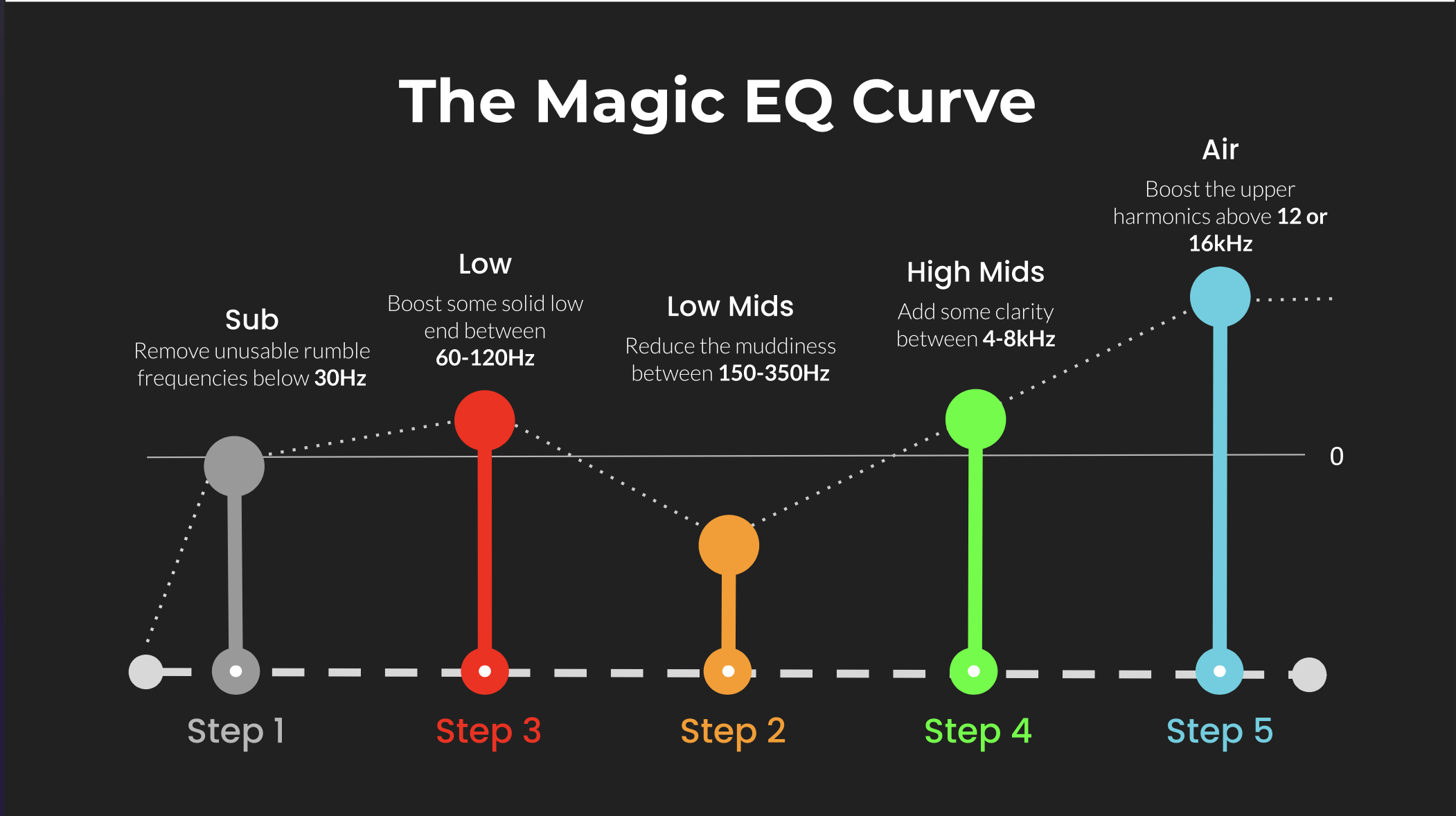 ⭐️ Download my Free Magic EQ settings Guide ⭐️

⭐️ Download my Free Magic Reverb settings Guide ⭐️
#protools #daw #homestudio #recordingschool #recording #musicproduction
Also read:
How to Start Your Own Online Business Teaching Music

Hey, I'm Futch - Music Production Coach and Ableton Certified Trainer

Learn how to make your first song and beat in Ableton Live with my
FREE 90-minute Ableton Live course
I've been teaching audio engineering and music production for 35 years.⭐️
Check out my new online music production program: Music Production Ninja...