Music Production: Genres and Sub-Genres 🎼
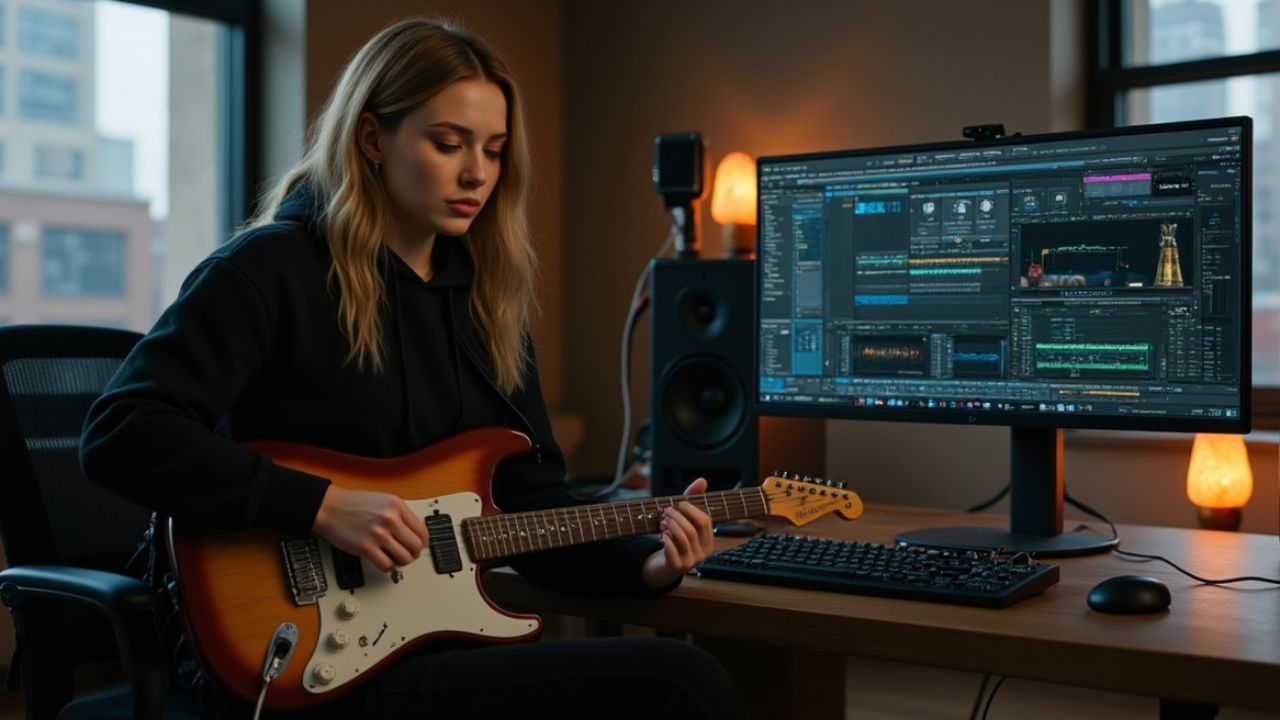
Every Song Belongs to a Family
“Genres are not rules.
They are maps.”
One of the first questions every producer eventually faces is:
"What kind of music am I making?"
The answer matters.
Genre influences:
- songwriting
- arrangement
- instrumentation
- tempo
- production techniques
- mixing decisions
You don't need to stay in one genre forever.
But understanding genres helps you understand the language of music.
Quick Summary
👉 A musical genre is a category of music defined by common rhythms, instruments, sounds, production techniques, and cultural traditions. Most modern genres contain dozens of sub-genres and often blend influences from multiple styles.
🎵 Why Genres Matter
Genres act like creative shortcuts.
When someone says:
- House
- Hip-Hop
- Metal
- Jazz
You immediately have expectations.
You can almost hear the music before it starts.
Songwriting: 3 Popular Chord Progressions That Never Fail 🎹
Genres create familiarity.
Artists create individuality.
🎧 The 10 Major Genres of Modern Music
Most contemporary music can trace its roots to one or more of these families.
1. Electronic Music
Music primarily created with:
- synthesizers
- samplers
- drum machines
- computers
Common Electronic Sub-Genres
House
- Four-on-the-floor kick drum
- Club-focused grooves
Techno
- Repetitive hypnotic rhythms
- Machine-driven aesthetics
EDM
- Festival-sized drops
- Big builds and energy shifts
Dubstep
- Heavy bass modulation
- Aggressive drops
Drum & Bass
- Fast breakbeats
- Deep basslines
Trance
- Euphoric melodies
- Long evolving arrangements
Ambient
- Atmosphere and texture
- Minimal rhythm
Synthwave
- 1980s-inspired synthesizers
- Nostalgic production
From Chaos to Clarity: The Hidden Blueprint of Every Great Song 🎯
Electronic music is sound design turned into composition.
2. Rock
Built around:
- guitars
- bass
- drums
- vocals
One of the most influential genres of the last century.
Common Rock Sub-Genres
Classic Rock
Blues-based guitar riffs and timeless songwriting.
Alternative Rock
Experimental rock that pushes beyond mainstream formulas.
Indie Rock
Independent-minded rock focused on creativity and authenticity.
Punk Rock
Fast, simple, and rebellious.
Progressive Rock
Complex arrangements, long songs, and technical musicianship.
Hard Rock
Heavy guitar riffs, powerful vocals, and high energy.
Grunge
Distorted guitars and emotionally raw performances.
3. Metal
An evolution of hard rock focused on:
- heavier guitars
- aggressive energy
- technical musicianship
Common Metal Sub-Genres
Thrash Metal
Fast and aggressive.
Examples:
- Metallica
- Slayer
Death Metal
Extreme vocals and technical riffing.
Black Metal
Atmospheric and raw.
Doom Metal
Slow, heavy, and dark.
Progressive Metal
Complex arrangements.
Power Metal
Melodic and epic.
How to Write Memorable Melodies That Get Stuck in Your Head 🎶
4. Hip-Hop
Built around:
- beats
- rhythm
- sampling
- rapping
One of the most influential production cultures ever created.
Songwriting and Beatmaking: How to Create Movement in Your Songs 🎢
Common Hip-Hop Sub-Genres
Boom Bap
Sample-based beats and hard-hitting drums.
Trap
808 bass, rapid hi-hats, and modern production.
Conscious Hip-Hop
Focused on storytelling and social commentary.
Drill
Dark, aggressive beats and heavy bass.
Lo-Fi Hip-Hop
Relaxed grooves and nostalgic textures.
5. Pop
Pop is less a sound and more a goal:
Accessibility.
Strong melodies.
Strong hooks.
Common Pop Sub-Genres
Dance Pop
Catchy hooks designed for clubs and radio.
Synth Pop
Pop songwriting driven by synthesizers.
Indie Pop
Alternative-inspired pop with a personal touch.
Electropop
Electronic production combined with mainstream pop.
 ⭐️ Download my Free Music Production Guides or take my free Ableton Live Course ⭐️
6. Jazz
Built around:
- improvisation
- harmony
- interaction
A foundational influence on many modern genres.
Common Jazz Sub-Genres
Bebop
Fast tempos and virtuosic improvisation.
Swing
Big bands and danceable grooves.
Fusion
A combination of jazz, rock, and funk.
Smooth Jazz
Polished production and melodic focus.
7. Blues
One of the foundational roots of:
- rock
- jazz
- soul
- country
Common Blues Sub-Genres
Delta Blues
Raw acoustic blues from the American South.
Chicago Blues
Electric blues built around amplified bands.
Electric Blues
The bridge between traditional blues and rock music.
8. Country
Storytelling and songcraft are central.
Ranges from traditional raw production to fully produced pop country.
- lyrics
- song structure
- values
Common Country Sub-Genres
Traditional Country
Storytelling songs rooted in acoustic instruments.
Country Rock
A blend of country songwriting and rock energy.
Americana
A mix of country, folk, blues, and roots music.
Bluegrass
Fast acoustic string instruments and tight musicianship.
Modern Country
Country music influenced by contemporary pop production.
9. R&B and Soul
Focused on:
- groove
- vocals
- emotion
Common Sub-Genres
Neo Soul
Jazz-influenced harmony and expressive performances.
Contemporary R&B
Modern production combined with soulful vocals.
Funk
Groove-focused music built around rhythm and bass.
Soul
Emotional vocals influenced by gospel traditions.
10. Classical and Orchestral
Built around:
- orchestration
- composition
- arrangement
The foundation of film scoring and many modern harmonic concepts.
Finishing Songs: Arranging and Song Structure 🎼
Common Sub-Genres
Baroque
Counterpoint, ornamentation, and intricate compositions.
Classical
Balanced forms, clarity, and elegant orchestration.
Romantic
Emotion, drama, and larger orchestras.
Contemporary Classical
Modern approaches to orchestral composition.
Film Score
Music written to support storytelling on screen.
⚡ Hybrid Genres — Where Things Get Interesting
Many modern styles combine multiple influences.
Electro
Combines:
- Electronic Music
- Hip-Hop
Country Rock
Combines:
- Country
- Rock
Jazz Fusion
Combines:
- Jazz
- Rock
Synthwave
Combines:
- Electronic Music
- Film Music
- 1980s Pop
Metalcore
Combines:
- Metal
- Hardcore Punk
Deathcore
Combines:
- Death Metal
- Hardcore Punk
Nu Metal
Combines:
- Metal
- Hip-Hop
Most new genres are really combinations of older ones.
🎛️ What This Means for Producers
When producing music, ask yourself:
- What genre am I starting from?
- What genres am I borrowing from?
- What genres am I combining?
The answer shapes everything.
Examples
A House producer thinks differently than a Metal producer.
A Jazz producer hears harmony differently than a Trap producer.
A Country songwriter structures songs differently than an Ambient composer.
How to Make Electronic Music for Beginners
Genre influences your decisions long before you touch a plugin.
🧠 Genre vs Style
These are not the same.
Genre is the category.
Style is your personality.
Example:
Two House producers can make completely different records.
Same genre.
Different style.
Genre tells listeners where you came from.
Style tells them who you are.
🧠 FAQ
Q: Do I need to choose a genre?
A: Not permanently, but it helps guide production decisions.
Q: Can I combine genres?
A: Absolutely. Many modern genres are hybrids.
Q: What genre should beginners start with?
A: The one they listen to most.
Q: Is genre still important today?
A: Yes, but boundaries are more flexible than ever.
🔑 Final Thought
Pythagoras gave us ratios.
The blues gave us feeling.
Hip-hop gave us sampling.
Electronic music gave us sound design.
Every genre teaches something.
Study genres not to limit yourself — but to understand the creative traditions you're building upon.
Learn the rules.
Borrow freely.
Then create your own category.
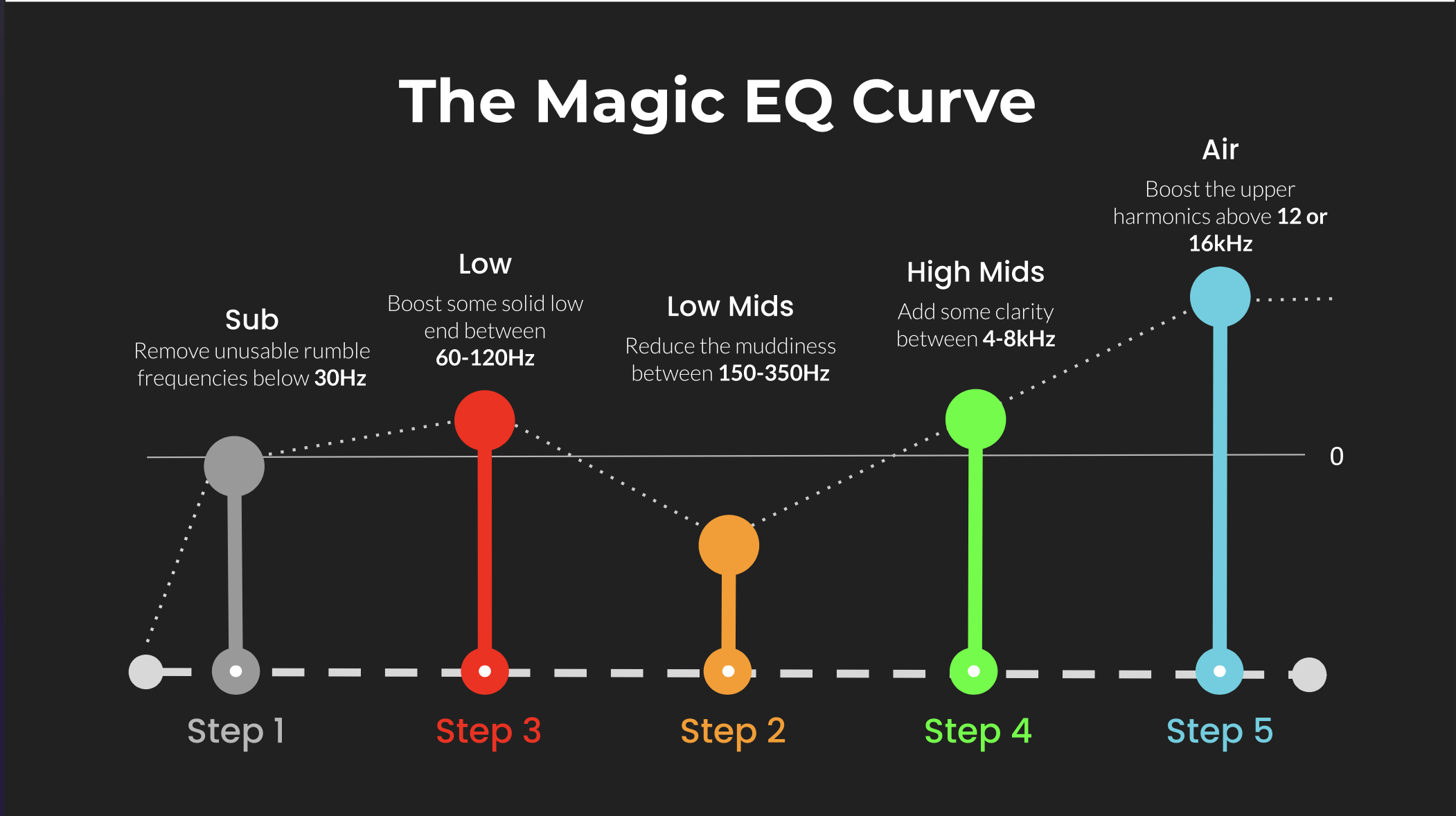 ⭐️ Download my Free Magic EQ settings Guide ⭐️

⭐️ Download my Free Magic Reverb settings Guide ⭐️
#protools #daw #homestudio #recordingschool #recording #musicproduction
Also read:
How to Start Your Own Online Business Teaching Music

Hey, I'm Futch - Music Production Coach and Ableton Certified Trainer

Learn how to make your first song and beat in Ableton Live with my
FREE 90-minute Ableton Live course
I've been teaching audio engineering and music production for 35 years.⭐️
Check out my new online music production program: Music Production Ninja...