Analog vs Digital: What’s the Real Difference? ☯️

This Debate Won’t Die
Analog vs Digital.
Warm vs Clean.
Real vs Artificial.
Vintage vs Modern.
It’s one of the longest-running arguments in music production.
But most of the debate misses the point.
The real difference isn’t about “better.”
It’s about how sound is generated and controlled.
Quick Summary
👉 Analog audio uses continuously varying electrical signals, while digital audio converts sound into numerical data. Analog often introduces natural coloration and nonlinear behavior, while digital offers precision, recall, and flexibility.
🧠 The Core Difference — Continuous vs Numbers
Analog = Continuous Motion
Analog sound is electricity moving in a smooth, continuous wave.
No steps.
No sampling.
Just voltage rising and falling.
Think of it like a dimmer switch — infinite positions between dark and bright.
Digital = Snapshots
Digital audio converts sound into numbers.
It samples the signal thousands of times per second, then reconstructs it.
Think of it like a high-speed camera taking millions of tiny pictures of motion.
The faster the snapshots, the smoother the illusion.
Home Studio Setups: Analog vs Digital vs Hybrid 🎛️
🎚️ How It Feels to Work With Each
Analog Workflow
-
Turn a knob
-
Hear immediate response
-
Commit to decisions
-
Print and move on
Analog encourages limitation and performance.
There’s no “undo.”
That changes behavior.
Digital Workflow
-
Infinite tracks
-
Unlimited undo
-
Total recall
-
Visual editing
-
Automation
Digital encourages experimentation and refinement.
You can try everything — and keep everything.
Digital Audio: What is Sound Made of in the Digital World? 🔊
🔥 The Sound Difference
Here’s where the myths begin.
Why Analog Feels “Warm”
Analog circuits introduce:
-
harmonic distortion
-
subtle saturation
-
nonlinear behavior
-
slight instability
Tiny imperfections.
Tiny variations.
Those imperfections often feel musical.
Why Digital Feels “Clean”
Digital systems are:
-
precise
-
stable
-
repeatable
-
transparent
If something distorts in digital, it’s usually harsh clipping.
But modern digital tools can emulate analog behavior extremely well.
The gap is smaller than ever.
🎹 In Synthesizers
Analog synths generate sound using electrical oscillators.
Examples:
-
Minimoog
-
Juno
-
Prophet
Digital synths generate sound using algorithms.
Examples:
-
DX7
-
Wavetable synths
-
Software instruments
Analog drifts.
Digital locks.
Drift can feel alive.
Precision can feel powerful.
Synth Legends: Roland TB-303 🎹
🎛️ In Recording & Mixing
Analog gear:
-
preamps
-
compressors
-
mixing desks
Digital tools:
-
DAWs
-
plugins
-
virtual consoles
Many producers track analog
and mix digitally.
Why?
Because analog can add character early,
and digital adds control later.
 ⭐️ Download my Free Music Production Guides or take my free Ableton Live Course ⭐️
🧠 The Real Tradeoff
| Analog | Digital |
|---|---|
| Character | Precision |
| Limitation | Flexibility |
| Commitment | Recall |
| Physical interaction | Infinite editing |
| Nonlinear | Mathematical |
Neither wins universally.
They solve different problems.
🎧 What Actually Matters
The real difference isn’t voltage vs numbers.
It’s this:
Analog tends to shape decisions early.
Digital allows refinement later.
If you want commitment and vibe → analog can help.
If you want speed, portability, and total control → digital excels.
The Zen of Small Studios: Why Constraints Make You More Creative 🧘
🧘 The Hybrid Reality
Most modern studios are hybrid.
Analog front end.
Digital workflow.
Hardware synth into DAW.
Plugins after preamps.
This isn’t compromise.
It’s balance.
🧠 FAQ
Q: Is analog higher quality?
A: Not automatically. It’s just different.
Q: Can digital sound like analog?
A: Very convincingly in most contexts.
Q: Is analog necessary today?
A: No — but it can be inspiring.
Q: Does the audience care?
A: They care about emotion, not voltage.
🔑 Final Thought
Analog is continuous motion.
Digital is precise measurement.
Both are just tools.
The listener doesn’t hear “analog” or “digital.”
They hear feeling.
The real difference?
Not the circuitry.
The decisions.
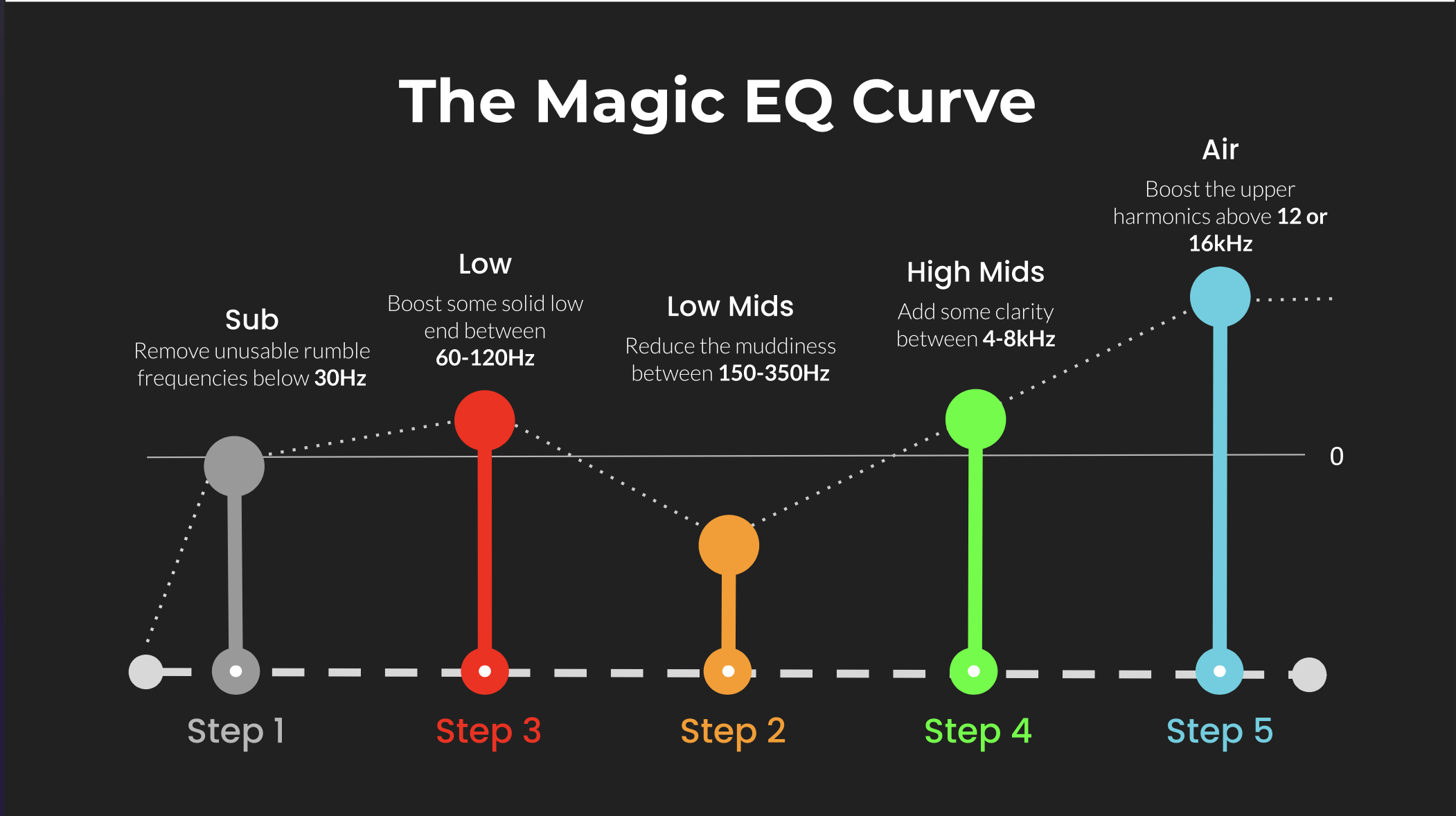 ⭐️ Download my Free Magic EQ settings Guide ⭐️

⭐️ Download my Free Magic Reverb settings Guide ⭐️
#protools #daw #homestudio #recordingschool #recording #musicproduction
Also read:
How to Start Your Own Online Business Teaching Music
Hey, I'm Futch - Music Production Coach and Ableton Certified Trainer

Learn how to make your first song and beat in Ableton Live with my
FREE 90-minute Ableton Live course
I've been teaching audio engineering and music production for 35 years.⭐️
Check out my new online music production program: Music Production Ninja...