Synth Legends: Yamaha CS-80 🎹
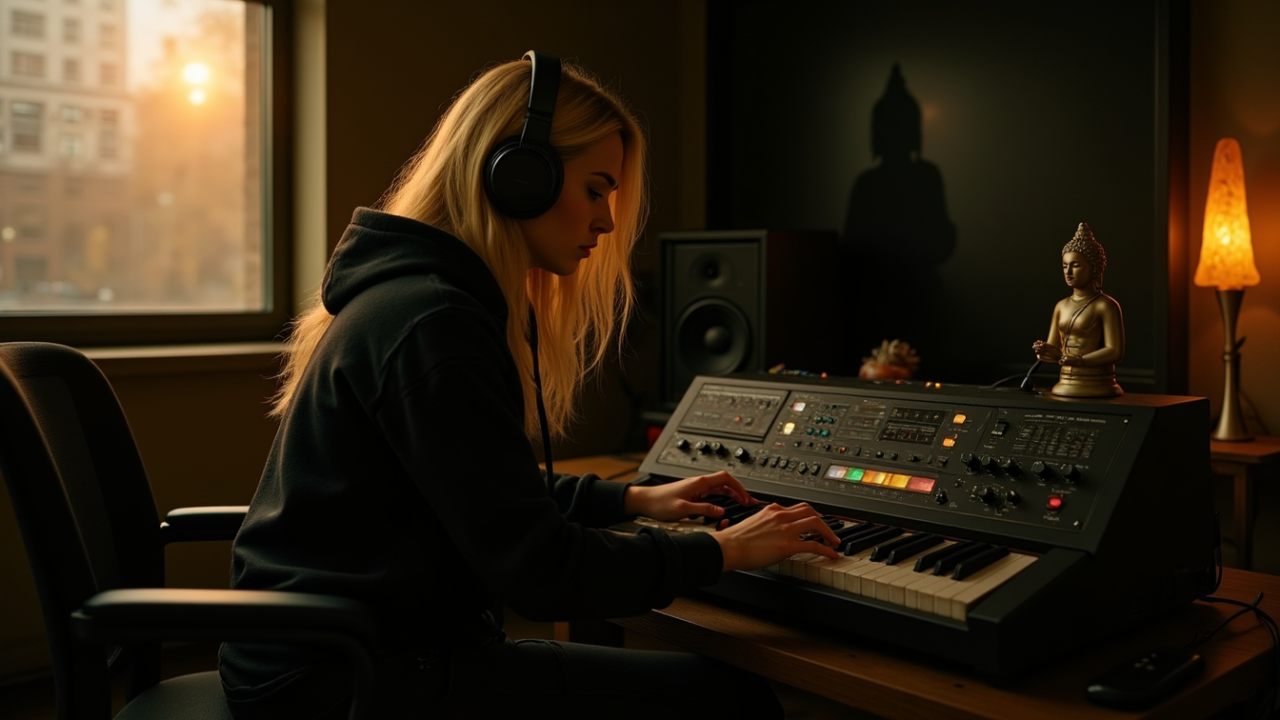
When a Synth Learned to Breathe
Most synthesizers generate sound.
The CS-80 performed.
It didn’t just respond to notes —
it responded to pressure, movement, and intention.
That’s why, decades later, the CS-80 still feels less like a machine
and more like a living instrument.
Quick Summary
👉 The Yamaha CS-80 is a legendary analog polysynth known for its unparalleled expressiveness, polyphonic aftertouch, ribbon controller, and cinematic sound. It redefined what a synthesizer could be as a performance instrument.
The Context — Why the CS-80 Was Different
When the CS-80 appeared in the late 1970s, most synths were:
-
monophonic or limited polyphony
-
static once a key was pressed
-
programmed first, performed second
The CS-80 flipped that idea.
It was built around human interaction.
How Synthesis and Synthesizers Work 🎛️
Expression Was the Point
The CS-80 didn’t just let you shape sound before playing.
It let you shape sound while playing.
What Made It Special
-
Polyphonic aftertouch
Press harder on individual keys — the sound responds per note. -
Ribbon controller
Smooth pitch bends, glides, and gestures. -
Performance controls everywhere
Vibrato, filter sweeps, dynamics — all under your hands.
This wasn’t a preset machine.
It was an extension of the performer.
The Sound — Big, Warm, Cinematic
The CS-80 sound is unmistakable.
-
wide analog oscillators
-
rich, musical filters
-
layered voices
-
slow, emotional movement
It excels at:
-
brass-like swells
-
evolving pads
-
emotional leads
-
cinematic textures
The sound feels physical — like air being pushed.
Synth Legends: Roland SH-101 🎹
Architecture — Complex but Musical
Under the hood, the CS-80 is deep.
-
dual-layer architecture
-
independent envelopes
-
per-voice articulation
-
tone shaping designed for expression
But none of it feels academic.
Everything serves musical phrasing.
Why It Wasn’t for Everyone
The CS-80 was legendary — and notorious.
-
massive and heavy
-
expensive
-
temperamental
-
difficult to transport
It demanded commitment.
This wasn’t a studio accessory.
It was a relationship.
 ⭐️ Download my Free Music Production Guides or take my free Ableton Live Course ⭐️
The Legacy — Emotion Over Perfection
The CS-80 became iconic not because it was precise —
but because it was emotional.
Its influence lives on in:
-
modern expressive controllers
-
MPE instruments
-
performance-focused synth design
Any time a synth responds to how you play —
you’re hearing the echo of the CS-80.
Synth Legends: Roland TB-303 🎹
Hardware vs Emulation
Today, few people will ever touch a real CS-80.
But its spirit lives on through:
-
software recreations
-
expressive controllers
-
modern performance synths
What matters isn’t cloning the circuit.
What matters is preserving the idea:
A synthesizer should respond like an instrument — not a spreadsheet.
🧠 FAQ
Q: Is the CS-80 analog?
A: Yes — fully analog signal path with digital-free expressiveness.
Q: Why is polyphonic aftertouch such a big deal?
A: It allows each note to respond individually — something most synths still can’t do easily.
Q: Is it practical today?
A: As hardware, no. As an influence, absolutely.
🔑 Final Thought
The CS-80 reminds us of something important:
Technology doesn’t make music expressive.
Interfaces do.
This synth didn’t chase perfection.
It chased feeling.
And that’s why it still matters.
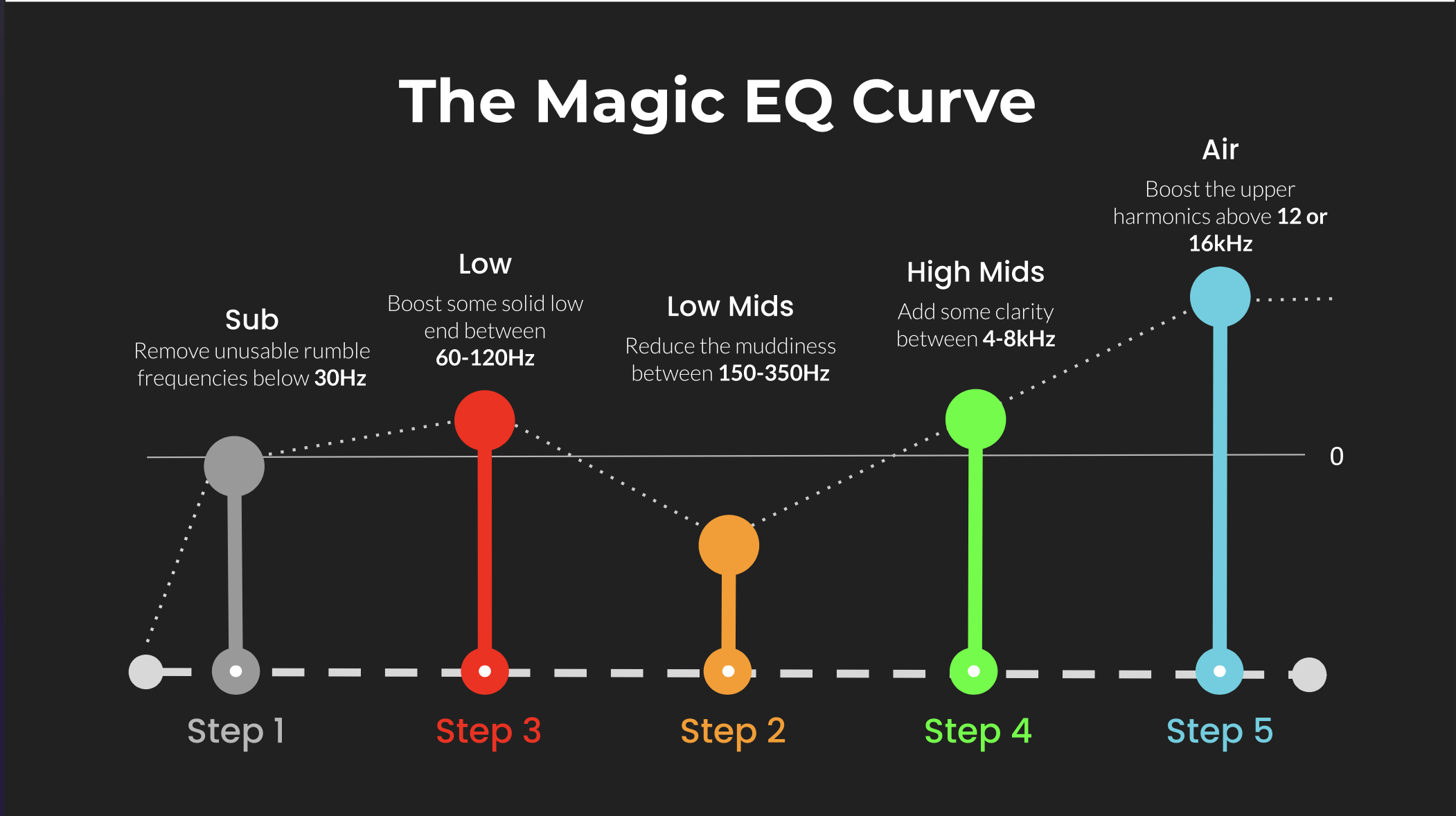 ⭐️ Download my Free Magic EQ settings Guide ⭐️

⭐️ Download my Free Magic Reverb settings Guide ⭐️
#protools #daw #homestudio #recordingschool #recording #musicproduction
Also read:
How to Start Your Own Online Business Teaching Music

Hey, I'm Futch - Music Production Coach and Ableton Certified Trainer

Learn how to make your first song and beat in Ableton Live with my
FREE 90-minute Ableton Live course
I've been teaching audio engineering and music production for 35 years.⭐️
Check out my new online music production program: Music Production Ninja...