Songwriting: The Magic 6-4-1-5 and 1-5-6-4 Chord Progressions 🎹

Four Chords. Thousands of Songs.
“Music is the space between the notes.”
— Claude Debussy
Some chord progressions feel instantly familiar.
Not because they belong to one song.
Because they belong to hundreds of them.
Two of the most useful are:
1-5-6-4
and:
6-4-1-5
They contain the same four chords.
But changing the starting point changes the emotional story.
Quick Answer
👉 1-5-6-4 begins on the major home chord, giving it a hopeful and resolved feeling. 6-4-1-5 begins on the relative minor chord, making it feel more emotional, reflective, or dramatic.
Both are common in pop and contemporary worship music.
🔢 What Do the Numbers Mean?
The numbers describe chords built from a major scale.
In C major:
- 1 = C major
- 4 = F major
- 5 = G major
- 6 = A minor
The numbers let you move the progression into any key without changing its basic structure.
Songwriting: 3 Popular Chord Progressions That Never Fail 🎹
☀️ The 1-5-6-4 Progression
In C major:
C – G – Am – F
The progression begins at home.
Then it moves through tension, emotion, and release.
It often feels:
- Hopeful
- Familiar
- Inspiring
- Emotional without becoming dark
Popular examples associated with this four-chord pattern include:
- “With or Without You” — U2
- “Apologize” — OneRepublic
- “Don’t Stop Believin’” — Journey
- “No Woman, No Cry” — Bob Marley and the Wailers
The exact rhythm, inversions, and placement may vary between songs and sections.
🌙 The 6-4-1-5 Progression
In C major:
Am – F – C – G
These are the same four chords.
But now the progression begins on A minor.
That small change makes it feel:
- Reflective
- Dramatic
- Longing
- Emotional
- Unresolved until the cycle continues
Popular examples include sections of:
- “Africa” — Toto
- “Numb” — Linkin Park
- “Save Tonight” — Eagle-Eye Cherry
- “One of Us” — Joan Osborne
Songwriting: Intervals & Chord Inversions 🎹
🙏 Why Worship Music Uses Them
Contemporary worship music often needs harmony that is:
- Easy for a band to follow
- Simple to transpose
- Supportive of a strong melody
- Emotional without distracting from the lyrics
- Easy to repeat while the arrangement grows
The 1-5-6-4 progression is especially common because it creates dependable movement while leaving room for vocals, dynamics, and atmosphere.
The 6-4-1-5 version creates a more reflective opening, making it useful for verses, bridges, prayerful sections, and gradual builds.
 ⭐️ Download my Free Music Production Guides or take my free Ableton Live Course ⭐️
🎵 Same Chords. Different Story.
Think of the chords as four locations.
The order determines the journey.
1-5-6-4
Begins with certainty.
Then introduces emotion.
6-4-1-5
Begins with emotion.
Then searches for home.
The chords create the world.
The starting chord changes the point of view.
✍️ How to Make the Progression Your Own
The chords may be familiar.
The song does not have to be.
Change:
- The tempo
- The rhythm
- The melody
- The inversions
- The instrumentation
- The chord duration
- The arrangement
A piano ballad and an electronic anthem can use the same progression...
And feel completely different.
How to Write Memorable Melodies That Get Stuck in Your Head 🎶
🧠 FAQ
Are 1-5-6-4 and 6-4-1-5 the same?
They use the same four chords, but begin in different places. This changes the emotional emphasis.
Which progression sounds happier?
1-5-6-4 usually feels brighter because it begins on the major tonic chord.
Which progression sounds more emotional?
6-4-1-5 often feels more reflective because it begins on the relative minor chord.
Can I use these progressions in an original song?
Yes. Chord progressions are shared musical building blocks. Originality comes from your melody, lyrics, rhythm, sound, and arrangement.
🔑 Final Thought
You do not need complicated harmony to write an emotional song.
Sometimes four chords are enough.
The 1-5-6-4 progression begins with home.
The 6-4-1-5 progression begins with longing.
Same chords.
Different story.
Harmony creates the path.
Melody gives the journey meaning.
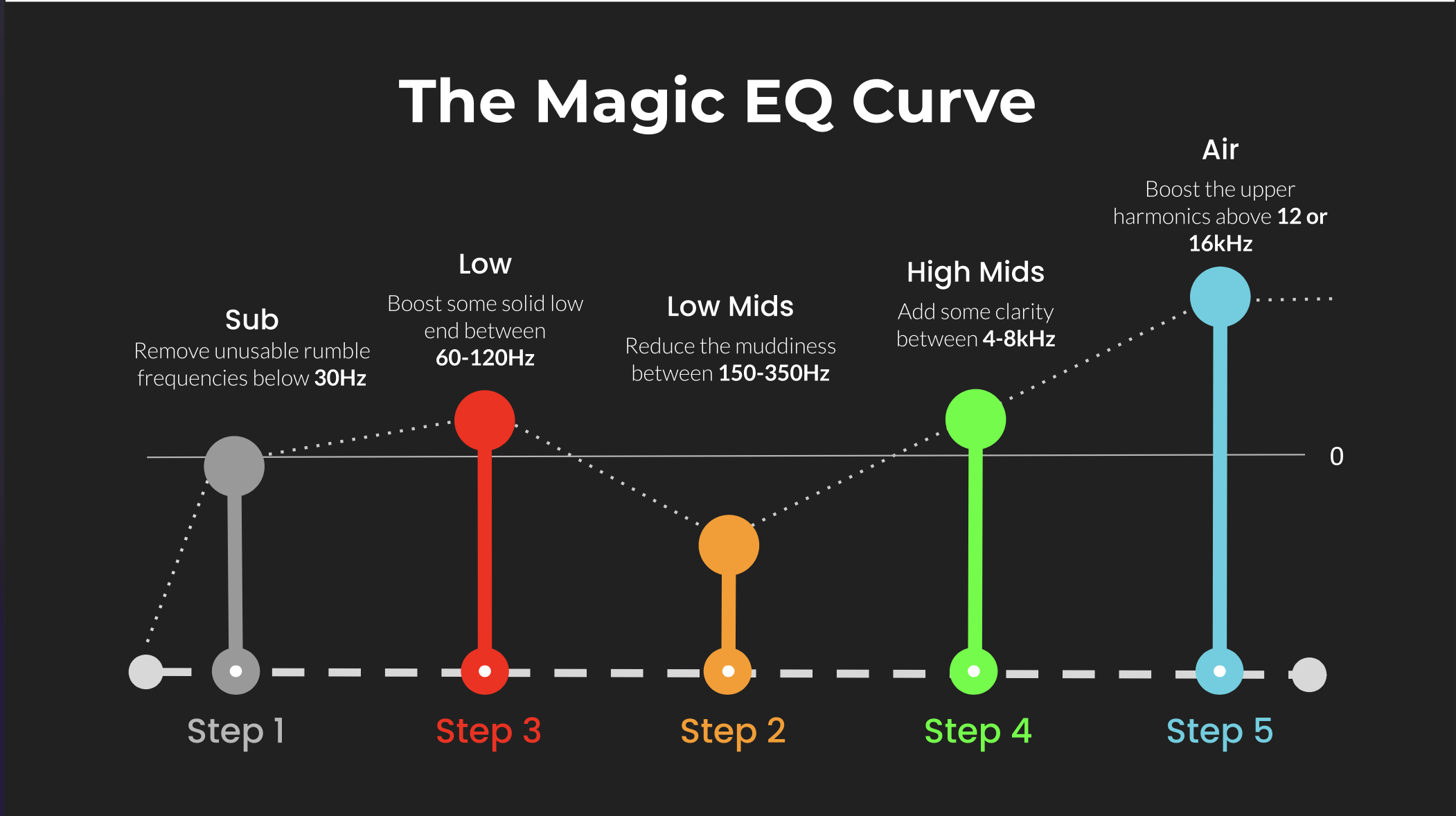 ⭐️ Download my Free Magic EQ settings Guide ⭐️

⭐️ Download my Free Magic Reverb settings Guide ⭐️
#protools #daw #homestudio #recordingschool #recording #musicproduction
Also read:
How to Start Your Own Online Business Teaching Music

Hey, I'm Futch - Music Production Coach and Ableton Certified Trainer

Learn how to make your first song and beat in Ableton Live with my
FREE 90-minute Ableton Live course
I've been teaching audio engineering and music production for 35 years.⭐️
Check out my new online music production program: Music Production Ninja...