Decibels (dB) Guide: How Loud Is Loud — And Compared to What?🎚️
Decibels Don’t Measure Sound
They measure relationships.
Every dB value is answering the same question:
“Louder than what?”
If you don’t understand the reference, the number means nothing — and most gain-staging problems start right there.
Quick Summary
👉 Decibels are relative measurements. Each dB scale compares a signal to a specific reference point. Mixing them up causes clipping, weak recordings, and inconsistent mixes.
⚠️ The One Rule of Decibels
Before anything else, remember this:
-
dB is not an absolute unit
-
dB always compares one level to a reference
-
Different references create different dB types
-
Confusing them breaks gain staging
If you don’t know the reference, ignore the number.
Sound Theory 101: Energy, Frequency and Vibration
🎧 dB SPL — Sound in the Air
The Acoustic World
dB SPL measures physical sound pressure — what actually reaches your ears.
What It Measures
-
Loudness in the room
Reference Point
-
0 dB SPL ≈ threshold of human hearing
Where You Use It
-
Studio monitoring
-
Live sound
-
Hearing safety
-
SPL meters
Why It Matters
-
Monitor calibration
-
Consistent mix decisions
-
Ear protection
-
Reduced fatigue
This is the only decibel scale that exists outside your gear.
🔌 dBu — Pro Audio Voltage
The Studio Standard
dBu measures analog voltage inside professional audio equipment.
Reference Point
-
0 dBu = 0.775 volts RMS
Where You See It
-
Interfaces
-
Consoles
-
Outboard gear
-
Patchbays
Why It Matters
-
Proper gain staging
-
Headroom management
-
+4 dBu professional line level
dBu tells you how hard you’re pushing the signal.
The Cycle of Sound: 6 Ways to Measure Audio Waveforms
⚡ dBm / dBmW — Power & Energy
What Actually Does the Work
Voltage is potential.
Power is action.
What It Measures
-
Electrical power, not voltage
Reference Point
-
0 dBm = 1 milliwatt
Where You Encounter It
-
Headphone outputs
-
Power amps
-
Wireless systems
-
Broadcast specs
Why It Matters
-
Headphone loudness
-
Matching amps to speakers
-
Understanding impedance
-
Why the same voltage can feel louder or quieter
Same voltage ≠ same loudness.
dBm explains why something feels loud.
🧪 dBV — Consumer Voltage
The Home Gear World
dBV also measures voltage — just with a different reference.
Reference Point
-
0 dBV = 1.0 volt RMS
Where You See It
-
Consumer audio gear
-
DJ equipment
-
Home stereo devices
Why It Matters
-
Level mismatches
-
Gear sounding too quiet or too hot
-
-10 dBV consumer line level
dBu and dBV measure similar things —
they just speak different dialects.
 ⭐️ Download my Free Music Production Guides or take my free Ableton Live Course ⭐️
💾 dBFS — Digital Full Scale
The Digital Ceiling
dBFS exists only inside digital systems.
Reference Point
-
0 dBFS = absolute maximum
Non-Negotiable Rule
Nothing goes above 0 dBFS. Ever.
Where You See It
-
DAW meters
-
Plugins
-
Digital recording
Why It Matters
-
Prevents clipping
-
Establishes headroom
-
Modern gain staging
Translation
≈ -18 dBFS ≈ 0 VU ≈ healthy analog level
The Power of Sound: 9 Characteristics of a Sound Wave
🎛️ VU — Musical Average
The Analog Mindset
VU meters measure average energy, not peaks.
Reference Point
-
0 VU = nominal operating level
Why Engineers Love It
-
Musical gain staging
-
Driving analog gear tastefully
-
Understanding why peaks ≠ loudness
VU meters respond more like human hearing.
📊 Peak vs RMS vs LUFS
Metering Reality Check
Peak
-
Instantaneous level
-
Prevents digital clipping
RMS
-
Average energy
-
Older loudness standard
LUFS
-
Modern loudness measurement
-
Used by streaming platforms
Why It Matters
-
Mixing vs mastering decisions
-
Loudness normalization
-
Platform delivery requirements
🧠 The Three Worlds of Audio
The Mental Model That Fixes Everything
Most confusion disappears when you separate these worlds:
-
Air → dB SPL
-
Electricity / Energy → dBu / dBV / dBm
-
Digital → dBFS / LUFS
Same sound.
Three translations.
Different rules.
How does Sound Work? Energy, Frequency & Vibration
🚫 Common Studio Mistakes
And the Ninja Fix
Mistakes
-
Confusing dB SPL with dBFS
-
Recording too hot “just in case”
-
Thinking louder = better
-
Ignoring reference alignment
Ninja Fix
-
Calibrate once
-
Leave headroom
-
Trust the system
-
Let meters inform — not intimidate
⚡ Quick Reference — Decibel Cheat Sheet
-
dB SPL → Sound in the room
-
dBu → Pro analog voltage
-
dBm / dBmW → Electrical power
-
dBV → Consumer voltage
-
dBFS → Digital ceiling
-
VU → Musical average
-
LUFS → Program loudness
⭐️ Try my FREE Ableton Live Course. Learn Ableton Live in 90 Minutes!
🥋 Final Teaching
Cables decide where signal goes.
Decibels decide how hard it hits.
Master both — and the studio obeys.
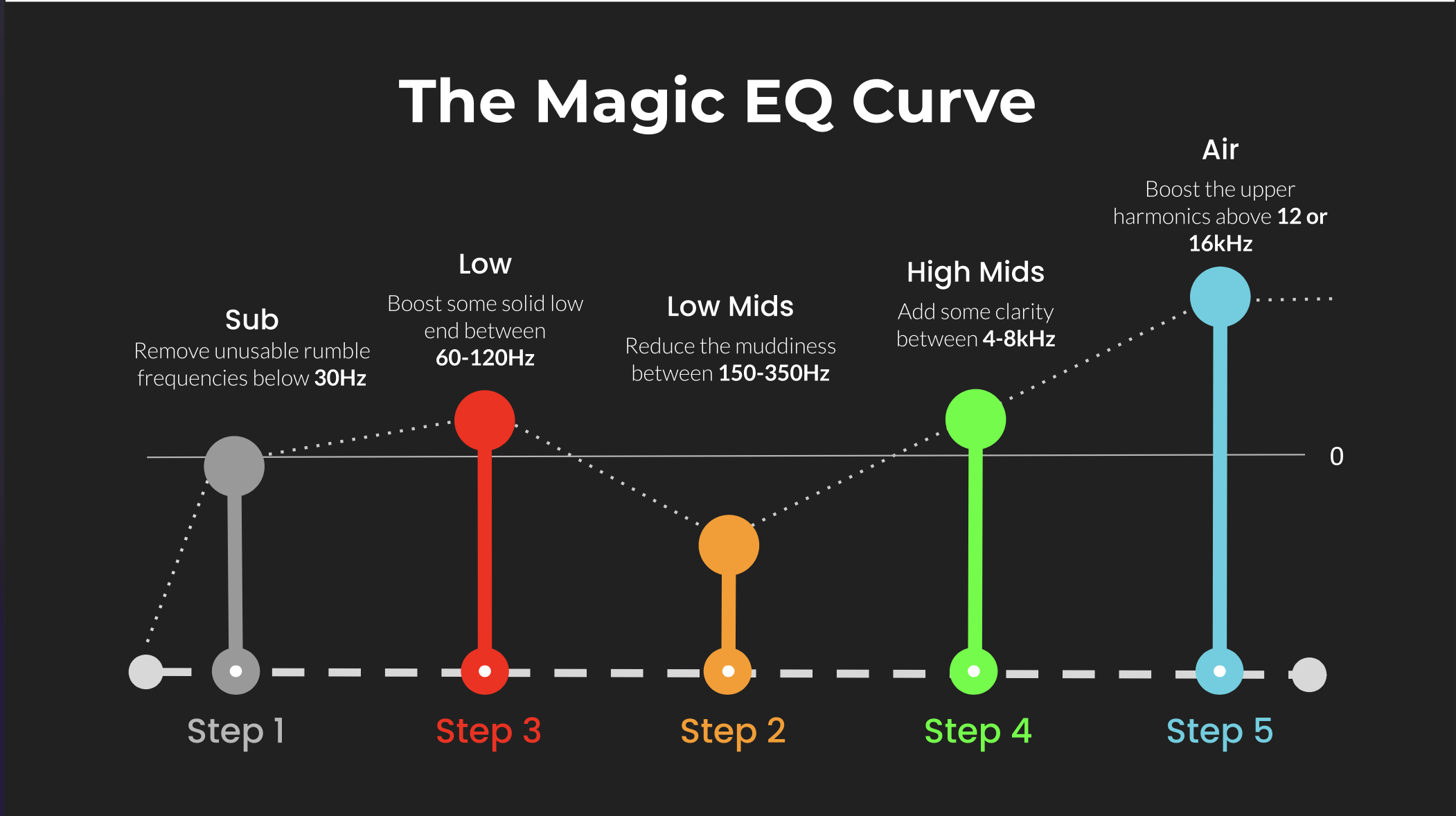 ⭐️ Download my Free Magic EQ settings Guide ⭐️

⭐️ Download my Free Magic Reverb settings Guide ⭐️
#protools #daw #homestudio #recordingschool #recording #musicproduction
Also read:
How to Start Your Own Online Business Teaching Music

Hey, I'm Futch - Music Production Coach and Ableton Certified Trainer

Learn how to make your first song and beat in Ableton Live with my
FREE 90-minute Ableton Live course
I've been teaching audio engineering and music production for 35 years.⭐️
Check out my new online music production program: Music Production Ninja...